William Kornblum
Studies in Human Ecology
Whither are we drifting? If so, to what extent?
e·col·o·gy
/ēˈkäləjē/
noun
the branch of biology that deals with the relations of organisms to one another and to their physical surroundings.
Ecology seeks to understand the vital connections between plants and animals and the world around them. A central question it now asks is whether one animal, homo sapiens, is destined to destroy its own habitat and that of untold numbers of other species? Or will we find workable solutions to lethal threats like global warming? At this writing the odds do not favor (the not-sufficiently- sapien) homo sapiens.
History of Climate Change Science
But we keep trying …
Chicago and the University of Chicago
In graduate school I studied sociology and its subfield, human ecology, at the University of Chicago from 1964-1974.
Chicago and Ecological Thought Powerpoint Presentation
The emphasis in my classes was almost entirely on urban research and urban ecological relationships. I became a practicing human ecologist with more holistic environmental interests a bit later, especially after teaching three years at the University of Washington where I met colleagues in Forestry and was recruited to work for the U.S. Department of the Interior and the National Park Service.
Although much of my work has been about urban issues, and especially about my hometown, New York City, it ranges broadly in subject matter and approach. Academic and applied, or both, it explores the consequences of our interactions in natural and human environments. We are human animals acting in and on nature, building human settlements, discovering how to be more in tune with the planet’s natural processes ( or, sadly, not).
How do they live together? How do they alter earth’s habitats.This website collects examples of this ecological perspective my colleagues and I have brought to a wide variety of social settings including, steel mills and their surrounding neighborhoods, parks and beaches, subway trains and stations, urban entertainment areas like Times Square, schools and their neighborhoods, public housing, urban communes, gypsy camps, and national parks.
The website also attempts to acknowledge the influence of friends, colleagues, mentors, loved ones, and more distant sources of inspiration, beginning with my mother and family and my brother Pete.
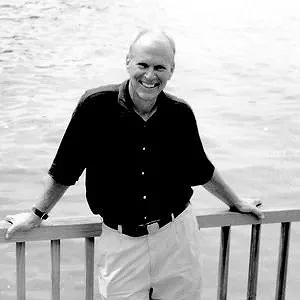
The New York Worlds of Danny and Martha Kornblum
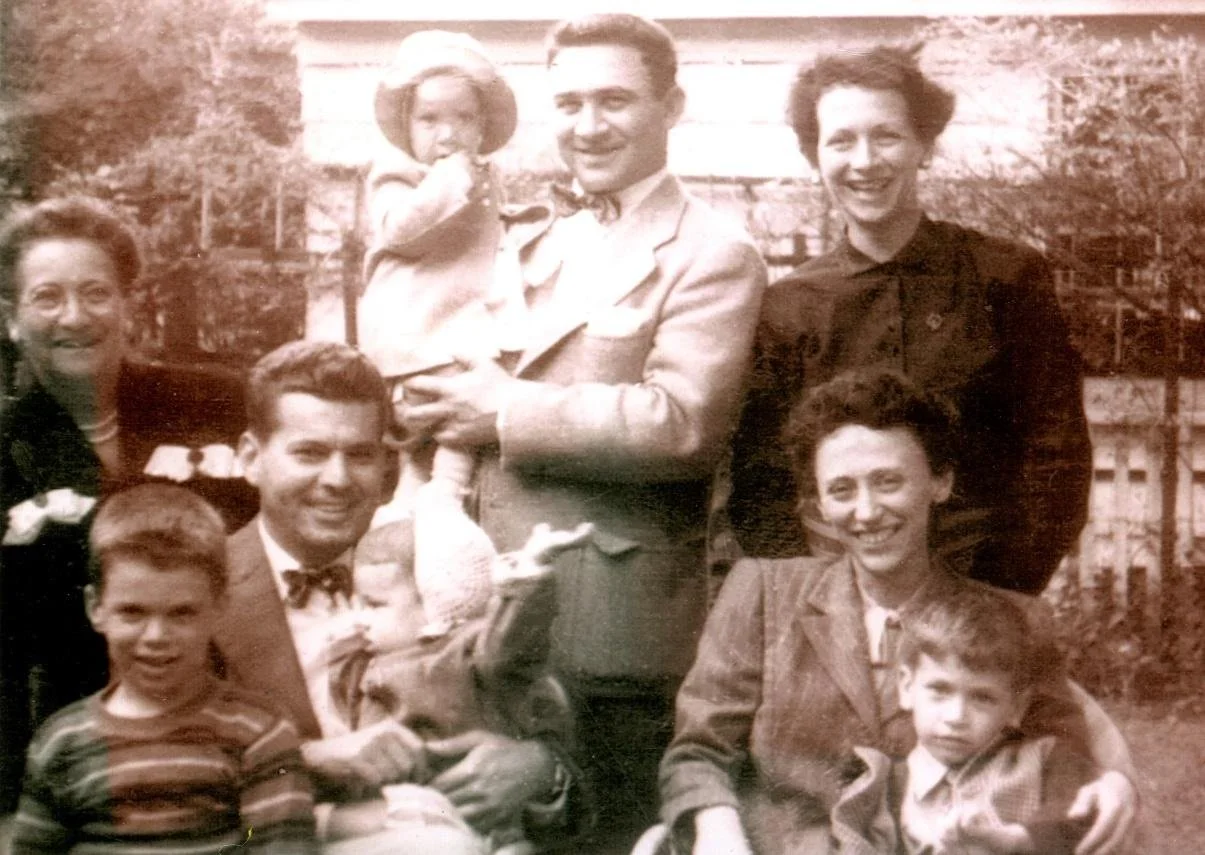
Billy, left front,Daniel holding Peter, bottom left, Martha, top right, Grandma Diamond, left, Aunt Pat and Jimmy, Lester Diamond holding Mary.
Areas of Study and Action: