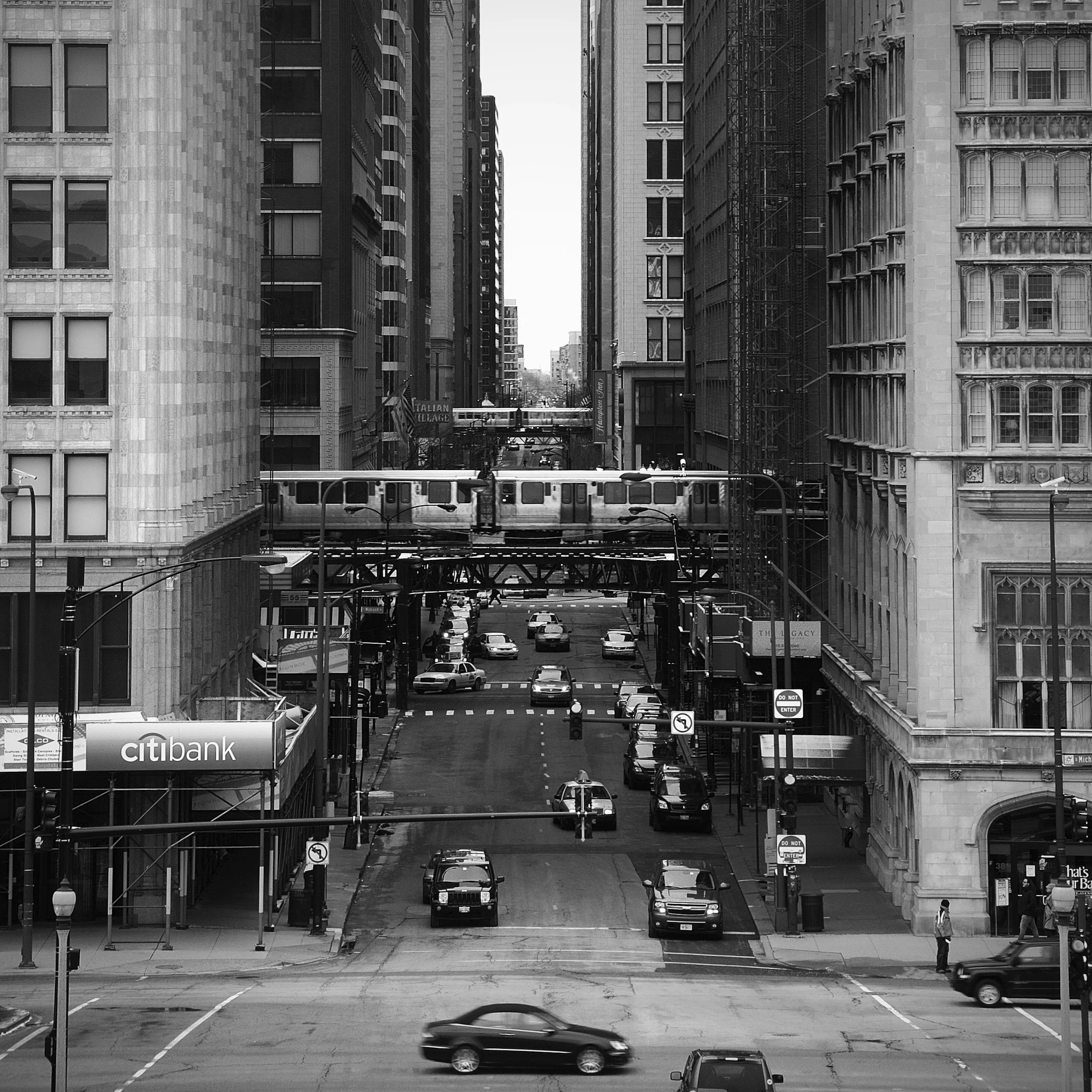
CHICAGO HUMAN ECOLOGY
The first generation Chicago sociologists, inspired by Robert Park, Ernest Burgess, and W.I. Thomas wrote about the city as a mosaic of neighborhoods and community areas, all overlaid on, and shaped by, the natural landscape.
The tensions between planned and unplanned development tended to create what they saw as “natural areas” of the city. For example, the unplanned “invasion” by a stigmatized racial minority of a vulnerable neighborhood, creates the conditions for the formation of a racial or ethnic ghetto, one type of “natural area.”
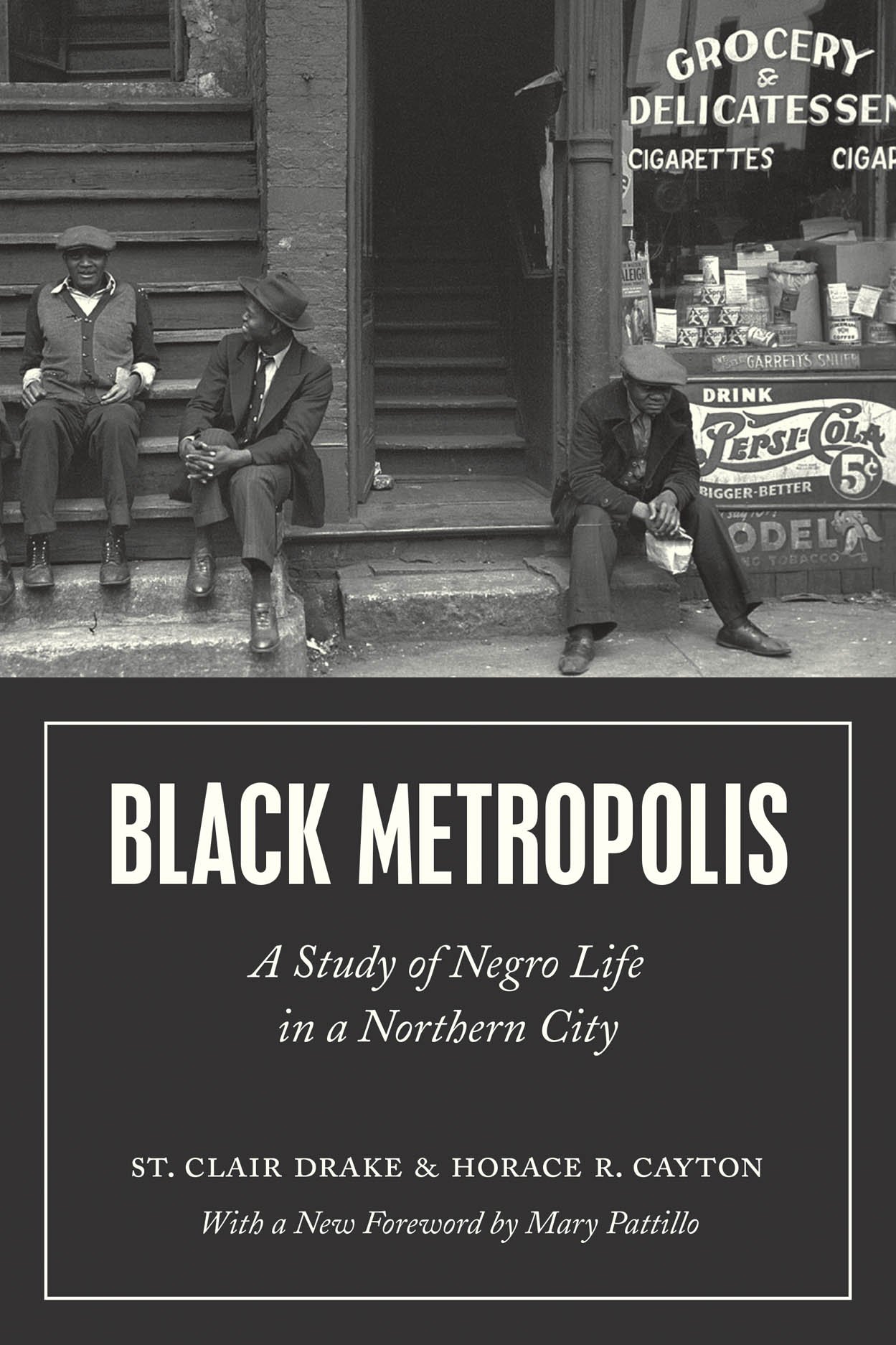
St. Claire Drake and Cayton’s Black Metropolis explored the processes that created and sustained Chicago’s southside Black community. It is an outstanding example of the classic Chicago School. Its methods are applied to understanding why the urban ghetto exists, and persists, and how it becomes a vital center of the African-American experience.
“Negroes are not finally absorbed in the general population. Black Metropolis remains athwart the least desirable residential zones …. It becomes a persisting city within a city …”
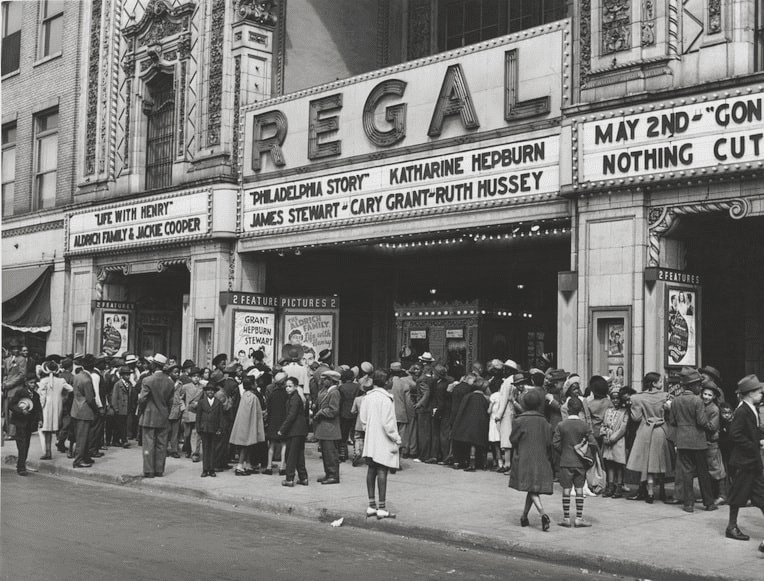
Bronzeville
This essay on the Chicago School by Liam Kennedy, found on the web, offers a succinct take on Richard Wright and Drake and Cayton.
“The ‘sociological imagination’ of the Chicago School characterized the ‘blinding … scrutiny’ of the South Side that Richard Wright commends in his introduction to ‘Black Metropolis’ and which he claimed as an influence on his own representations of black Chicago. Wright very self-consciously presented a sociological narrative of his life and – most notably in ‘Native Son ‘(1940) – of life in South Side Chicago in the 1930s. The sociological imagination he claimed was apparent in the work of many other writers and artists in the period”
Among them would have to be James T. Farrell and the realistic yet fictional southside world he created in the Studs Lonigan series.
Read alongside the sociologists of the Chicago School, Wright’s Bigger Thomas, and Farrells’ Studs Lonigan populate the classical Chicago literature with the drama of “real” lives.
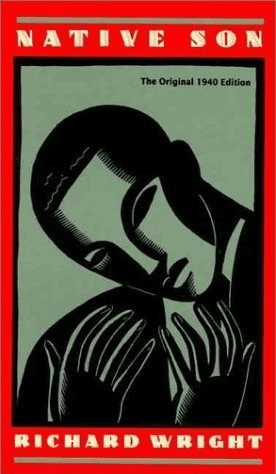
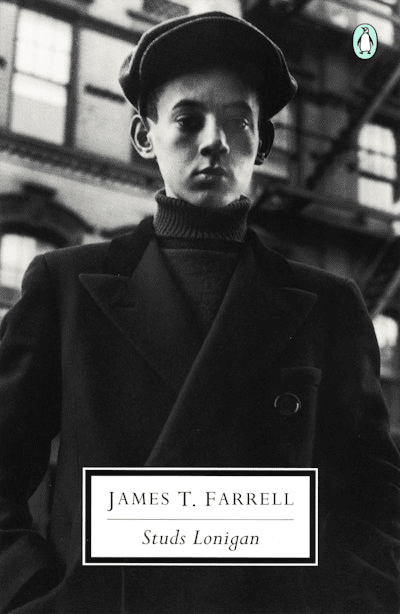
James T. Farrell: “My past is considered better than my future.” (RogerEbert.com)
The City of Neighborhoods: Bronzeville
I was an avid reader of the Chicago realist authors in the 1950’s while in high school and college, but I had no idea how their writing about Chicago would become so relevant to my own Chicago experiences.


