Encountering Chicago in the ‘60s
My route to Chicago started when I joined the U.S. Peace Corps in 1962 and met Aristide Zolberg.
We were about thirty “French speaking” volunteers in the first group to be sent to work in Ivory Coast, a newly independent, former French West African colony. Ari was a newly minted political scientist from the University of Chicago, teaching at the University of Wisconsin, Madison, while finishing his own manuscript on one party politics in the Ivory Coast, West Africa. This work made him our nation’s foremost expert on the country and its history. Fortunately, he directed our Peace Corps training at the University of Wisconsin Madison during the summer of 1962, preparing us to go live and teach in French-speaking Africa. Zolberg also introduced us to contemporary post-colonial African scholarship, and to some of the scholars themselves (among them David Apter, Immanuel Wallerstein, Phil Curtin, Ali Mazrui). I got hooked on the social sciences there and then.
Teaching at the Lycée Classique d'Abidjan
In PCV training that summer in Madison I was preparing to teach lycee level biology, outlining model biology classes in French, working late into the night.
When I arrived in Abidjan I was assigned instead to teach physics and chemistry, in French, at the nation’s top academic lycee. Let’s just say I had not been a confident physics or chemistry student at Cornell. I worked late into the night to prepare my lessons.
Newly arrived in Africa, I had to start all over for real with the class prep. Whoops, classes begin, try to get ahead of the students, work over the weekend, at least now I had the actual textbook. There was no one I could consult to solve physics problems. I never studied as hard as I did that first academic year (1962-63) of teaching at the Lycee Classique d’Abidjan.
At first the students were dubious. This amiable American was speaking ok French but using radically different teaching methods. Was he going to get them successfully through the official exams?
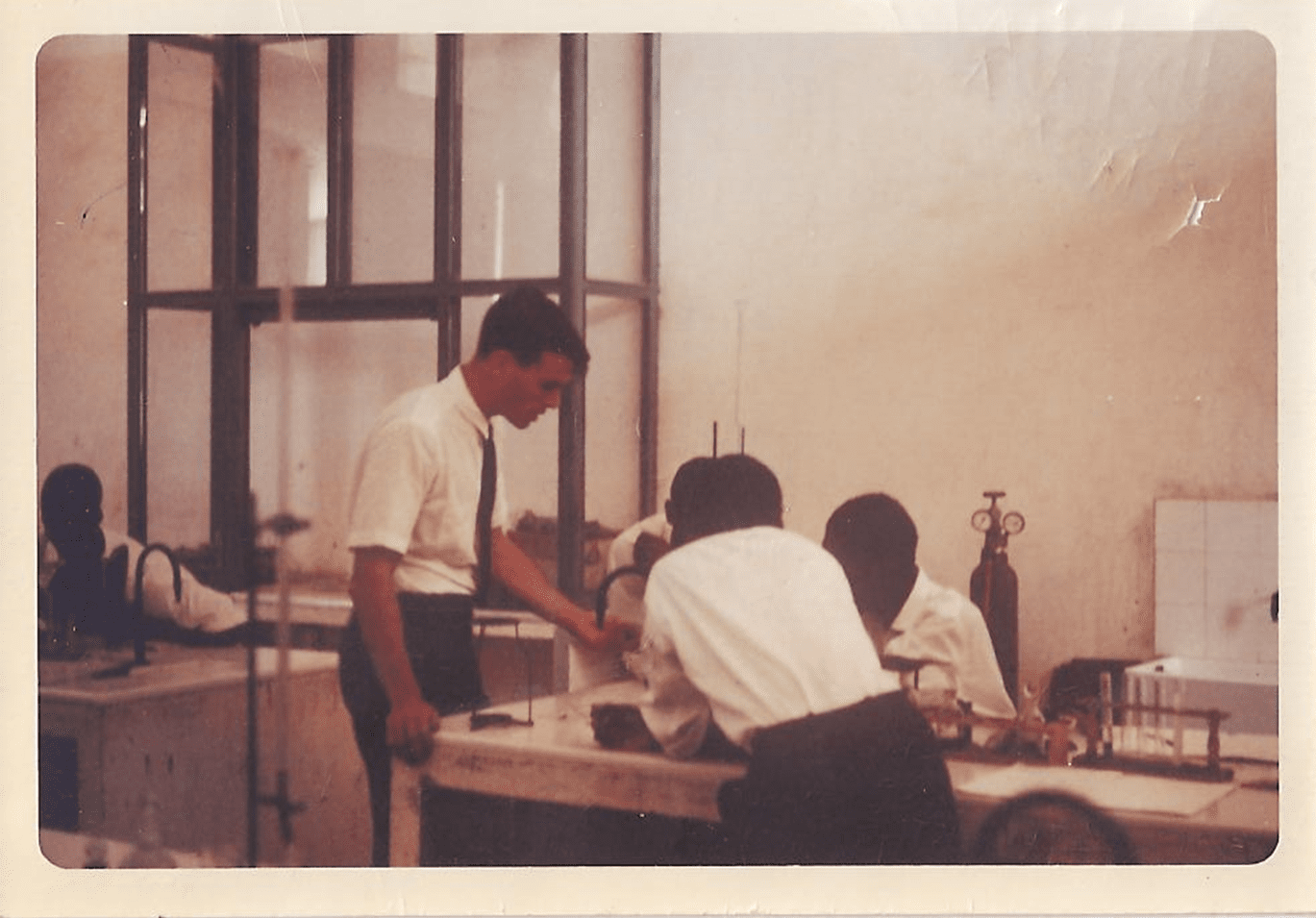
BK teaching in physics lab, Lycee Classique d’Abidjan, 1963
M. Le Proviseur Rioux, himself, came to my class that first month to observe my teaching. The visit was unprecedented. Normally he would have sent M. le Censeur, or another science teacher. The kids were freaked. But he came with our Peace Corps Educational specialist, Dr. John Withall, (on leave from Penn). Dr Withall believed in the Socratic method, which I was using. But questioning and discovery entailed initial fumbling and uncertainty, which frightened the African students. They were used to straight memorization.
I remember putting the students through some discovery work where they figured out a relationship involving moments of force that we then expressed mathematically. M. Rioux, Le Proviseur, luckily a lefty, was impressed. Later he put out the word to my dubious French teaching colleagues. I was doing well. My students also did well.
Los Chicaboomz: Community Life in Treichville
Early that first Abidjan year, my roommate, Jim Seger, and I became members of a Treichville neighborhood street association, los Chicaboomz. The photo below shows me, upper row, and Susan (right profile) and Jim, his face hidden by another volunteer, Alonzo Smith. Volunteer. Glynn Barr is smiling at the camera across the table. Glynn coached Ivorian track and field Olympians. In the U.S. She had been an Olympic-level javelin thrower. We teased her about bringing spear throwing to Africa. Los Chicaboomz held famous dance parties. Some of the best were in our fourth floor Treichville apartment which had great views of the city. Everyone was crazy about New York's rich Afro Latin music scene.
[TK: Afro-Cuban dance, son montuno, charanga, The Palmieri Brother]
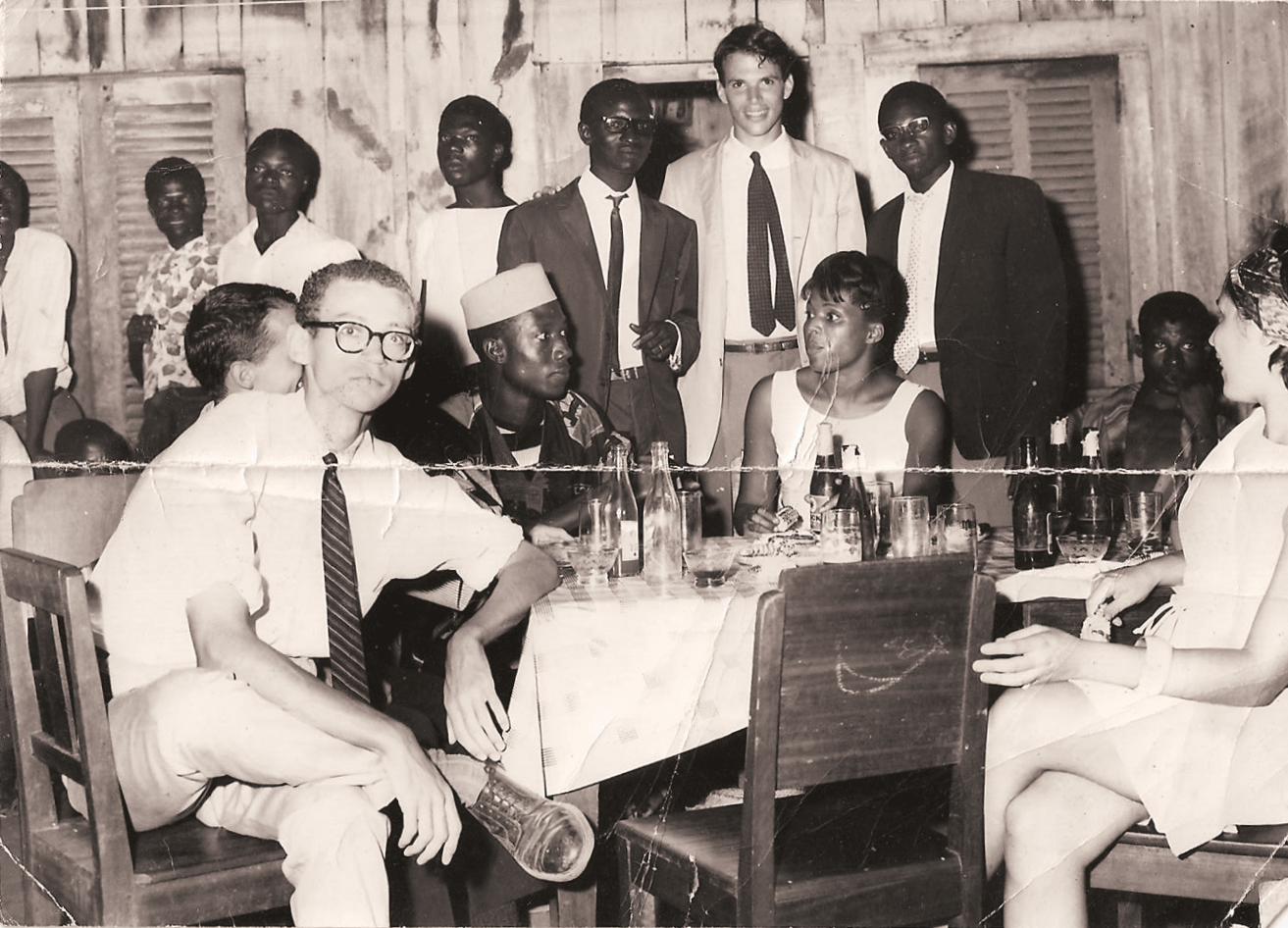
Soiree chez Los Chicaboomz 1963 - Jim Seger, hidden by Al Smith, Glynn Barr, Susan Schwartz (profile). I’m standing with two of the club’s officers.
None of what I was doing was explicitly about social science, but it was a unique time in African history, the heady moment of early independence. People in the streets would burst into song: “Civilizee’, independent…” I kept notes and hoped that one day I would write about my African experiences from a social scientific perspective .
Graduate Studies Begin: First Years at Chicago
Ari Zolberg, who had so brilliantly led our training at Wisconsin, had become a prof of Political Science at the University of Chicago (1964) He had visited me in my village in 1963 while at a conference of Africanists and appreciated the value of my grounded knowledge and experience. He offered me a fellowship at the UC. and essentially made my academic career possible. We remained close friends until his death in 2013.
History - Zolberg Institute on Migration and Mobility
Fall 1964, newly arrived in Chicago’s Hyde Park, Ari invited me to sit in on the university’s prestigious New Nations Seminar devoted to questions of third-world development and politics. Seminar participants included such luminaries as Clifford Geertz, Edward Shils, June Nash, and Morris Janowitz. On occasion, when a question arose that touched on my experience in Côte d’Ivoire, I spoke and was noticed.
Chicagoland race relations were dangerously volatile in the sixties. During my 1964-65 MA studies I learned about the city’s shockingly rapid growth, its huge migrations of Southern Blacks and European ethnic groups, its machine politics, and the city’s legacy of mob violence. I also began to understand from my own experiences, the raw feelings and animosities I witnessed throughout the region.
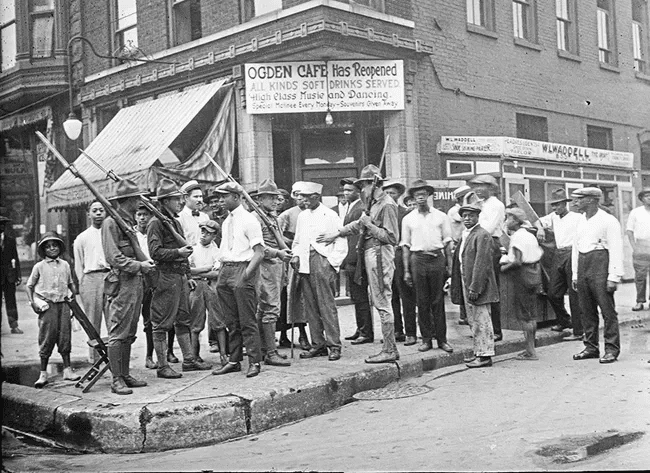
I recently discovered this fascinating account of Carl Sandburg’s coverage of the 1919 Chicago race riot.
And this helpful overview of the city’s fraught racial history:
From Race Riots to Rainbow Coalitions and Heatwaves: Chicago Activism on Racial and Economic Justice
In Abidjan I had become friendly with Helen McGill, an African American PC volunteer from Gary, Indiana. In Africa Helen had had an almost Hollywood experience. She had been adopted by members of President Houphouët-Boigny’s extended family and treated for two years as royalty.
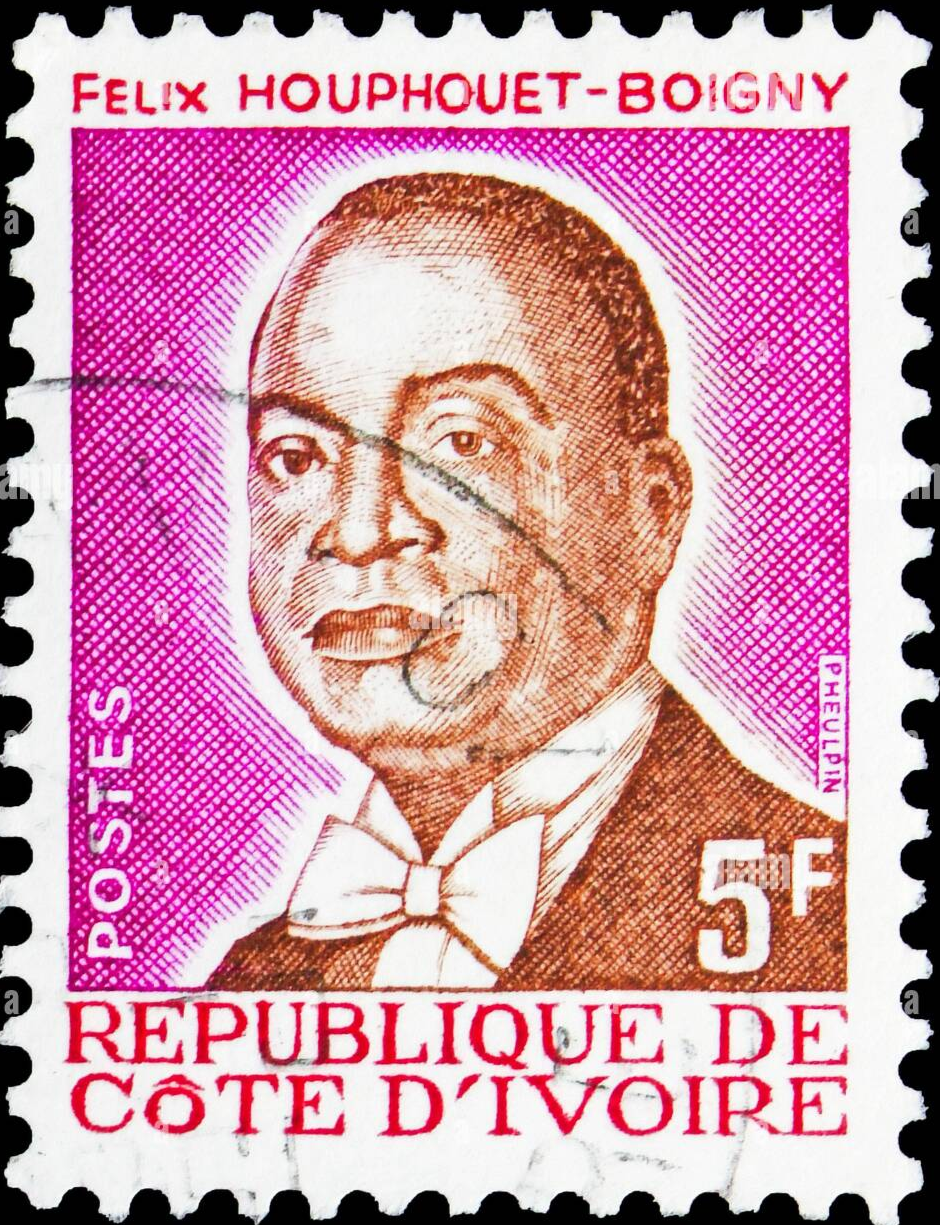
Stamp featuring President Houphouët-Boigny
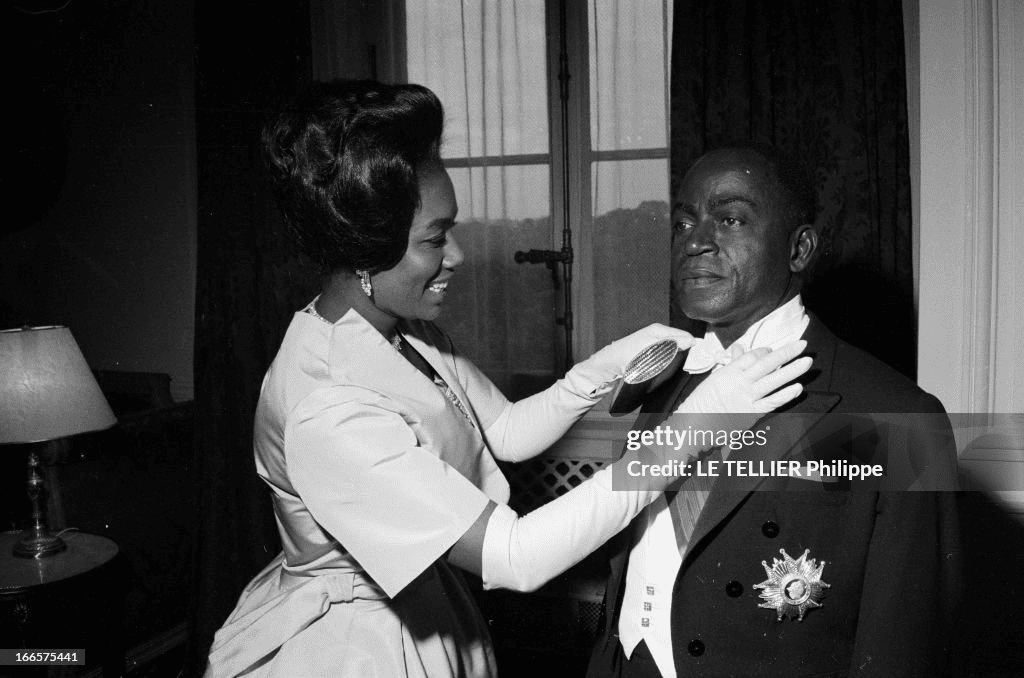
President Houphouët-Boigny and wife preparing to meet President Kennedy and First Lady
Suddenly back home (1964) she was living in an apartment in her parents' modest Gary home, a few sooty and highly segregated blocks away from the U.S. Steel mills.
Helen had enrolled in the UC Ed school and was teaching k- first grade at the U.C. Lab School. I did some substitute science teaching at the Lab School and we were in frequent contact. Both of us were feeling intense culture shock. Far from warm, friendly Africa, we at times got nasty looks when walking together outside. And it was getting colder every day
When I first visited Helen in Gary shortly after moving to Chicago in 1964, I met her smiling and gracious mother, but not her steelworker father. “He won’t meet you,”Helen said. “He doesn’t like White people.”
I never did meet Helen’s dad, but in Gary I saw the big steel mills for the first time. They were rolling out steel 24/7 , employing about 16,000 union workers. Black steelworkers' families like Helen’s were buying homes and sending their children to the new public universities. Yes, the air and water were foul, but smoke meant good paychecks and children like Helen who would pitch their ambitions beyond the mills.
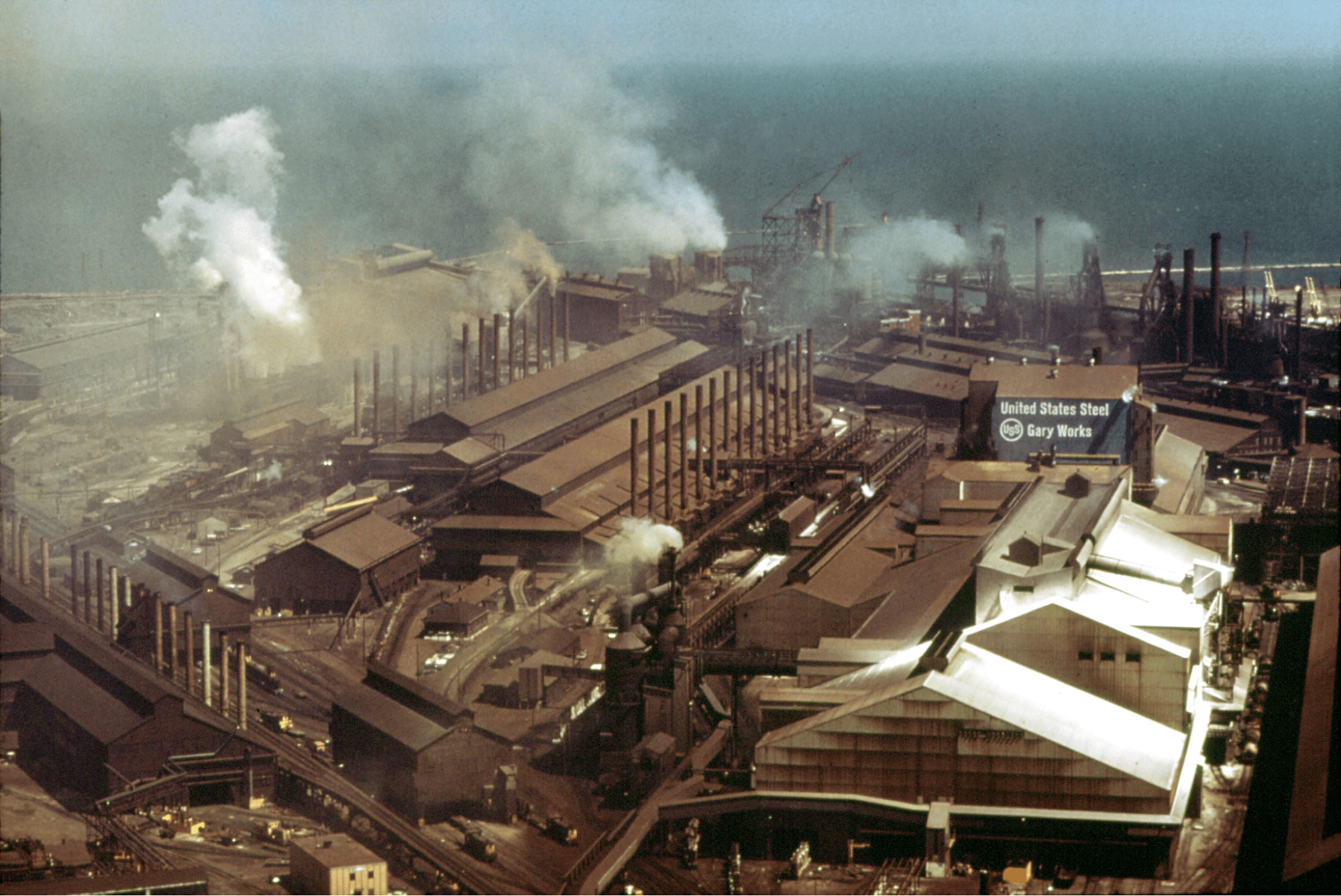
Gary Works Steel Mills in Gary, Indiana
Gary Works
In 2025, Gary Works produced six million tons of steel per year. The chimneys ever churn. One recent night, a russet haze hovered above an enormous flame atop a prominent stack, and a Gary native told me that when he was little his father used to say, “That’s what keeps us warm.” All over town, you can smell the emissions, or not; a steelworker said that locals get used to the stench the way a cook no longer smells his kitchen, or a smoker no longer smells his clothes.
Gary Works now employs about forty-three hundred people, only ten to fifteen per cent of them live in town.
In Professor Donald Bogue’s year-long methods workshop on Community and Family studies we were trained ( 1964-65) in methods of the Chicago School ecological sociologists.
More powerful statistical methods were offered in the Department or at NORC, the survey center, but I felt fortunate to find myself learning about Chicago community areas, census tracts, and the demographics of mobility (or immobility) of racial and ethnic groups. Ernest Burgess (1886- 1966), the original Chicago human ecologist along with Robert Park, was still alive and came to see Professor Bogue on occasion. Many others of the later Chicago School were alive and approachable.
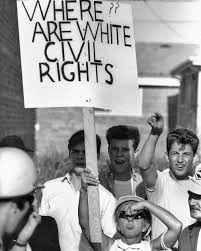
Racial and ethnic tensions over neighborhood “invasions” seemed to simmer everywhere on the city’s southside. The Black, working class population was growing, pushing Westward against bitter resistance in the white, largely RomanCatholic parishes that spread West to Midway Airport. In Dr. Bogue’s workshop we were doing interviews with community leaders involved in the conflict. One day I was assigned an interview with a Roman Catholic priest whose Southwest parish was threatened by “Negro invasion.” Since the interview was part of the course training, I was accompanied by a professional interviewer from Dr. Bogue’s shop who would evaluate my performance. She was a proper African American, middle class woman who confessed to me on the way to the interview that she felt “Very uncomfortable.”
Nor was our respondent, the good shepherd of an aging Southwest side Irish parish , at all comfortable with us. In fact he was angry . At first he bickered about each question I posed. Somehow I managed to soften him up, and he realized that if he went through the questionnaire without arguing, we would vanish, which we did, immediately. On the way back to Hyde Park my colleague told me I had essentially tamed a dragon.
I began to feel that I had found my niche in academia.
Return to New York and Film School
Returning to NYC in the summer of 1965, I wrote a Master's paper about social change in an urbanized African village (Blokosso, Côte d’Ivoire), for Professor Bert Hoselitz, my official MA mentor in Chicago. I also married my college sweetheart, Susan Schwartz Kornblum (1942-2003), taught undergraduate sociology in Patricia Sexton’s NYU Soc. of Ed program, and studied filmmaking at the NYU film school.
This screening includes Black Journal: The Black G.I. / No Vietnamese Ever Called Me Nigger (an anti-war film I helped produce in 1964)
There fortunately I met and took courses with Haig Manoogian, the inspiring cinema teacher of Martin Scorsese , then finishing his student film, and others.
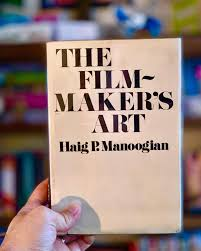
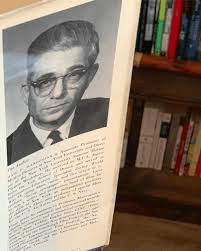
Haig P. Manoogian was a professor of film and television at New York University (NYU) from 1948 to 1980. He was a pioneer in filmmaking education and served as head of both the undergraduate and graduate film programs. In his honor, NYU hosts the annual Manongian Screenings in Los Angeles.
Doctoral Studies at the University of Chicago
In the fall of 1966, Susan and I returned to Chicago. She had been accepted in a Psych Phd. program at the new UI Chicago Circle campus. I would begin in the UC sociology doctoral program, where I had already taken a number of the required methods courses.
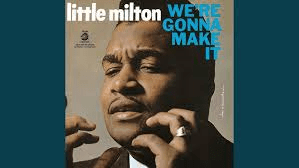
We moved into a one bedroom apartment west of the campus on Maryland Avenue. The neighborhood was quiet and even homey, with a mix of African Americans and University students. Across the street lived a well-known R&B artist, Little Milton, and his extended family/entourage.
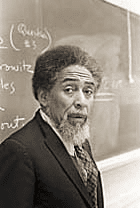
St. Claire Drake
Sociologist St. Claire Drake also lived on the block. I met him, and was invited to sit in on his seminar about race in Chicago, which was often held in his home. I have a treasured signed copy of Black Metropolis.
I also met Horace Cayton when I was in Chicago for my MA year. That’s another story …
