Issues in Community Studies

Empty housing in Chicago’s South Side, 1970. John H. White, Public domain, via Wikimedia Commons
During the academic year 66-67 a “Chicago School” revival was the talk of the sociology department.
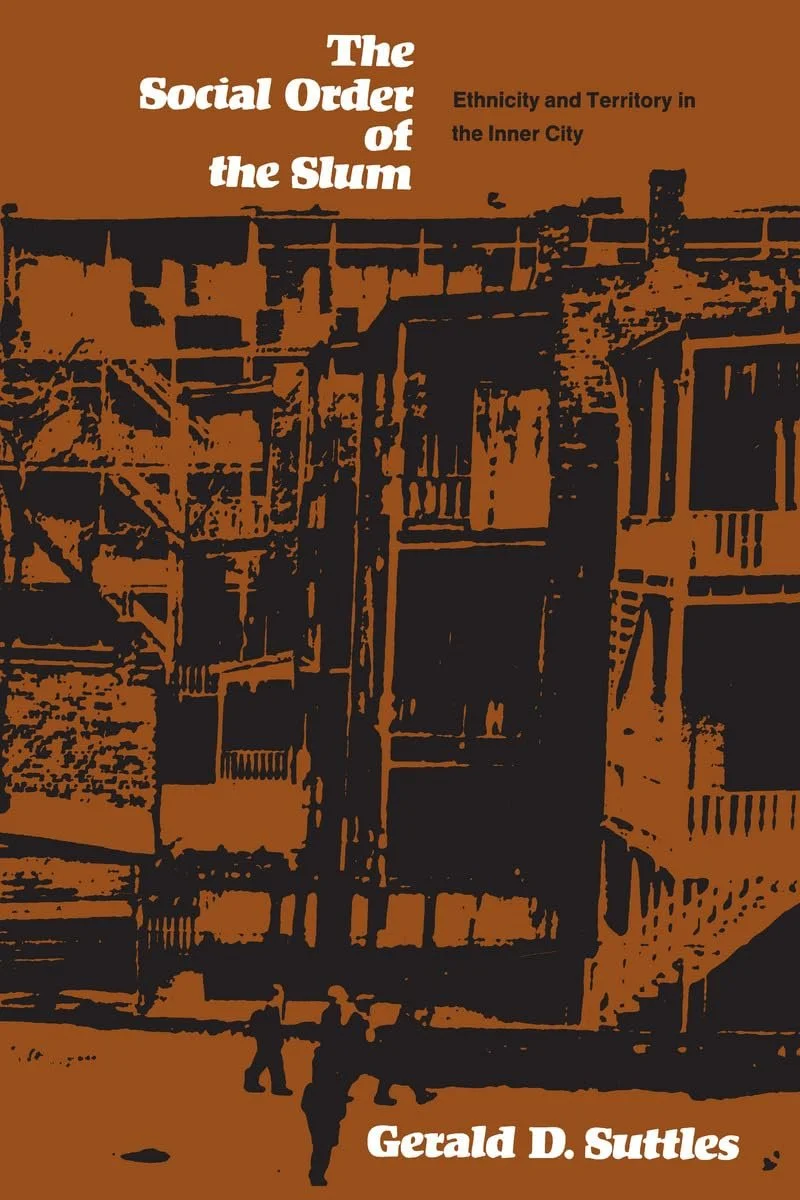
Under Morris Janowitz’s leadership, the department had just hired Gerald Suttles and Terry Clark, exciting young professors with newly published urban community studies books. Suttles’ The Social Order of the Slum had a particularly powerful impact on me and many of my fellow students. Aside from its highly original analysis of street corner peer groups, it was based on in-person observations and informal discussions, ie. FIELD Work. It invoked the classic Chicago School of Sociology and inspired us students about what could be done. I spent the next two years attending Gerry’s seminar in field research methods. Mostly we read excerpts from our field notes and talked about where our research was heading.
During the spring quarter of 1967 I also took another course that had a profound impact on my scholarly path. Terry Clark’s workshop in Community Power had us reading Warner, Mills, Dahl, Hunter and other scholars of urban politics. The early Chicago School of ecological sociologists had neglected the influences of power and politics on communities. That changed with the second and third generations of students who raised questions of machine politics versus democratic rule, for example (Gosnell), or corruption, vice, and politics (Drake and Cayton) to the forefront in their explanations of the social conditions they described in Chicago.
Fieldwork in Ljubljana
Clark’s research on power structures and local politics had taken a fascinating comparative turn. He had become affiliated with a group of American and Yugoslav planners and social scientists in Ljubljana, Slovenia. They were encouraging him to conduct research that summer on community power in the Yugoslav communal system. He needed a research assistant to do field research there during the long U.S. academic summer. I raised my hand and was hired. Susan gladly came along and studied for her doctoral exams.
Peter Jambrek – dear friend and colleague, we did community-level field research in Yugoslavia.
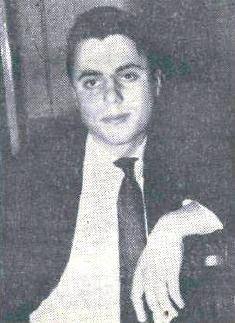
Peter Jambrek, 1962
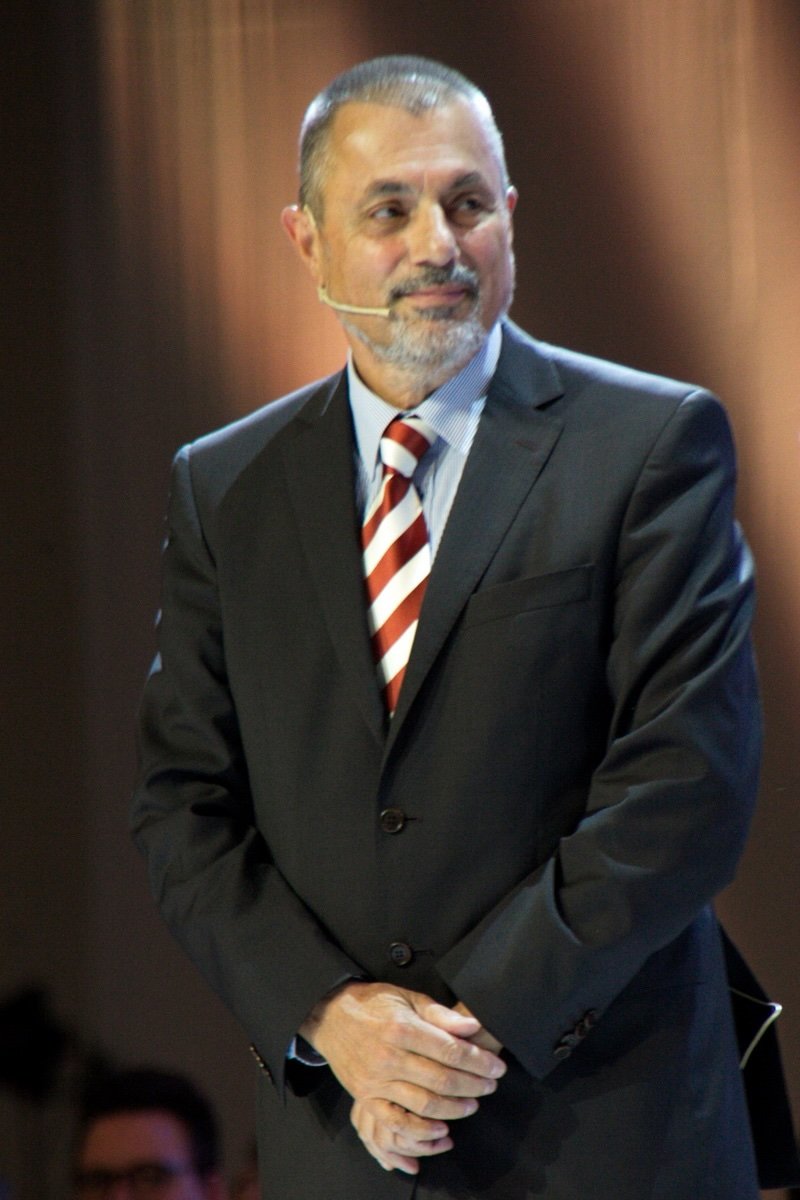
Peter Jambrek, 2017
In Ljubljana I worked with a tutor to build on the course in Serbo Croatian I had taken in Chicago. I learned some Slovenian and Serbo-Croatian and was somewhat able to join the interviews Peter and I were conducting. We published a comparative community study paper together. Peter, a law scholar, came to Chicago to do a doctorate in sociology and since then he has had a distinguished career in Slovenia and Europe. We have remained good friends ever since.
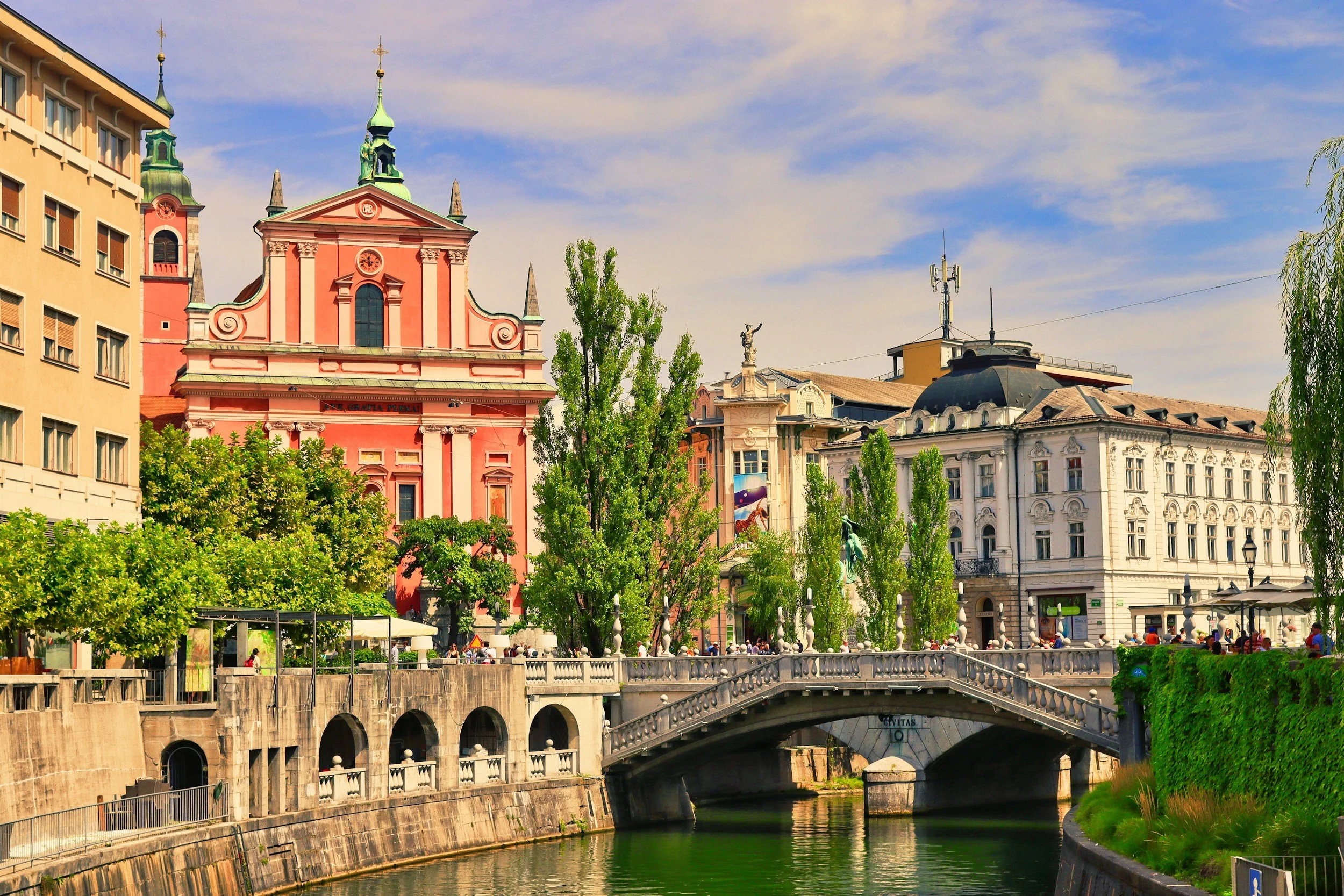
Ljubljana, Slovenia
