University of Chicago: Mentors, Peers, Influences, Collaborations
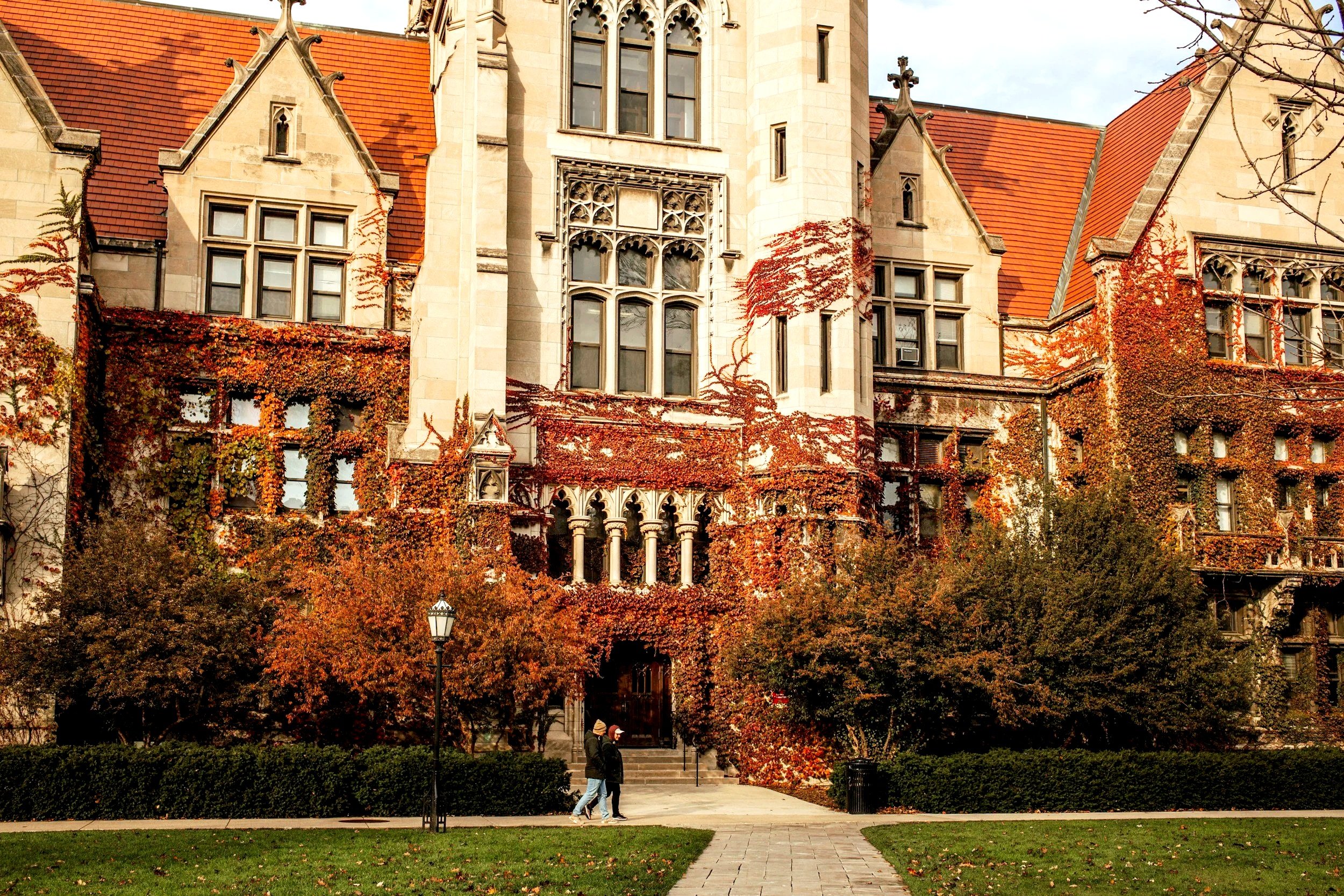
Morris Janowitz (October 22, 1919 – November 7, 1988)
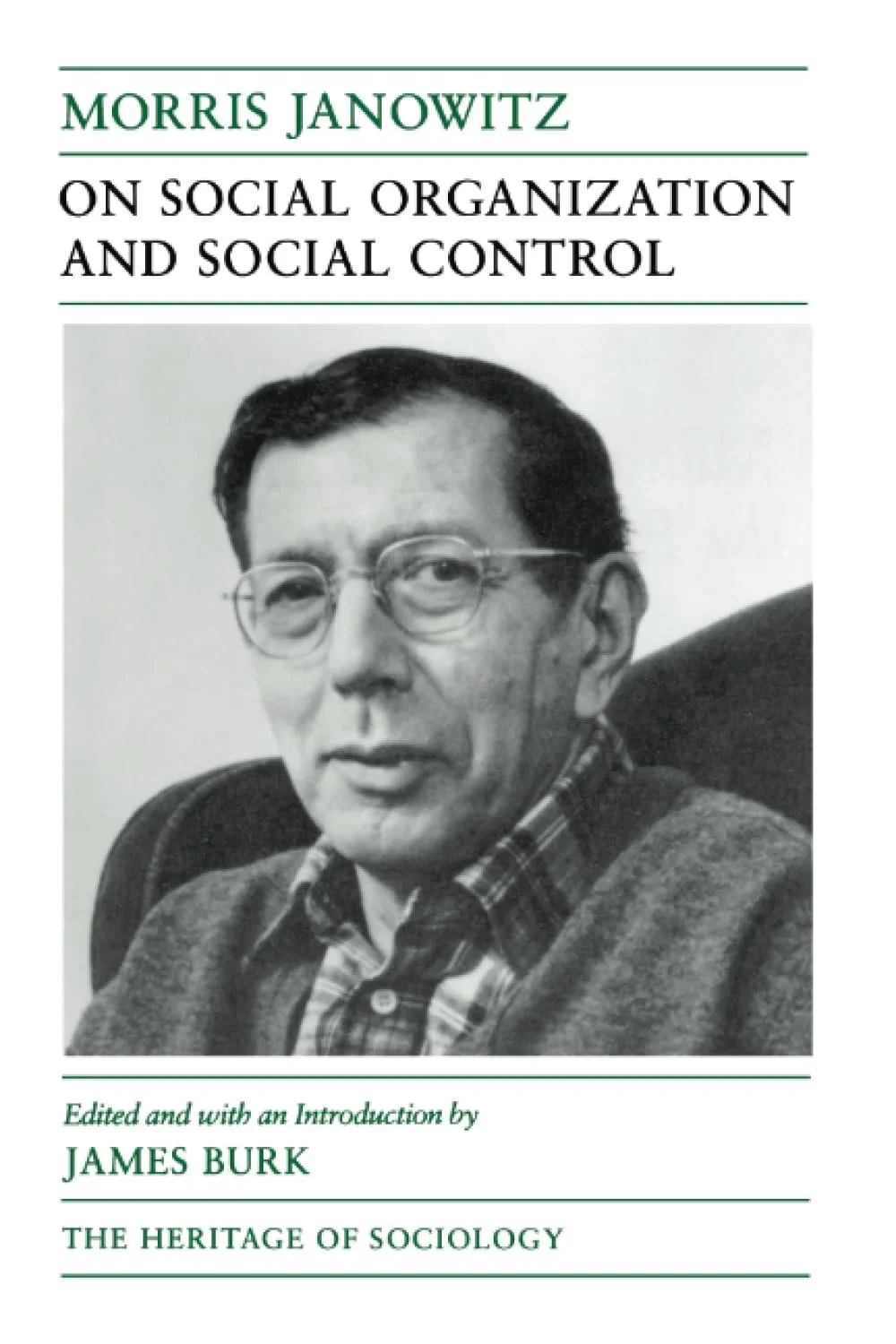
My beloved and difficult mentor.
“He also sought to reconstruct the intellectual heritage of the department through the creation of "The Heritage of Sociology" book series. The compilation of 40 volumes in the Heritage series led Janowitz to reflect upon the philosophical foundations for sociology, recalling influential pragmatists such as George Herbert Mead, Sydney Hook, and perhaps most importantly, John Dewey. Janowitz completed his five-year chairmanship of the Sociology Department In 1972”,
Among our senior professors he was unique: engaged, passionate, crude, garrulous, brilliant,funny, impossible … We lived through what were certainly two of the most difficult years of his life, 1968 and 1969. But along the way we had some unexpected good times.
The Sit-In, Spring 1969
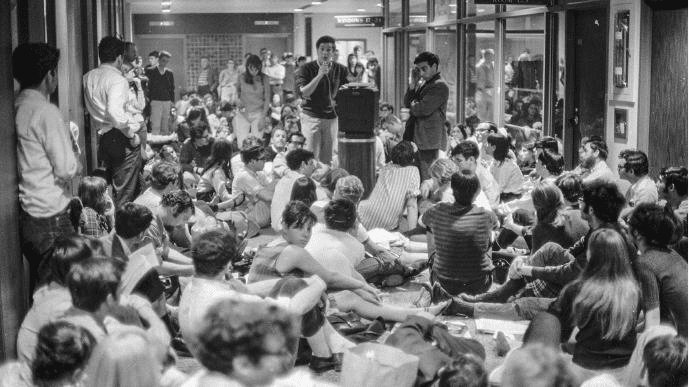
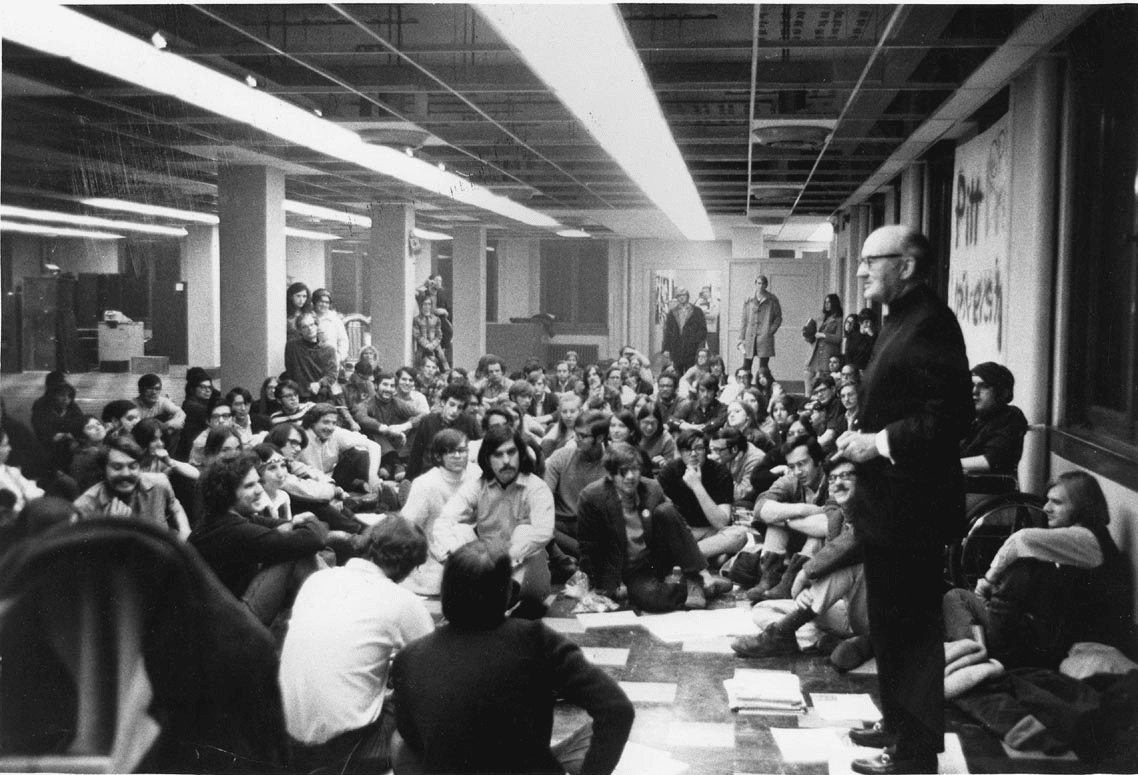
Columbia, 1968, was the model. Students came to the UC campus in the fall 1969 sure that there would be some kind of sit-in on their campus as well.
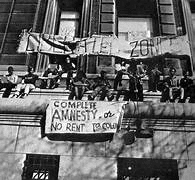
I was deep into life in South Chicago and the industrial region beyond, not living in Hyde Park. But I happened to also have been elected head of the sociology graduate student organization. Suddenly there was a campus emergency that centered on our department, and on its chairman, Morris Janowitz.
Which Side Were You On?
Many of my fellow graduate students and friends were sure, many others were not. The faculty had denied tenure to Marlene Dixon, a Marxist assistant professor who was also female and gay and a vocal campus opponent of the Vietnam War. She was being held up by the radical students in a campus cell of the Weather Underground, and other less “revolutionary” partisans, as further evidence that the university supported the war and that there should be a sit-in in the Administration building. As the inevitable civil disobedience approached, lines hardened, tempers flared, minds softened.
I had taken time to read and listen to Professor Dixon. I didn’t think she had merited tenure and felt she was being cynically used as the cause celebre.
Soon it did not matter what I might think. As elected leader, I represented Sociology students who had chosen to sit-in, as well as most others who supported the protest but had not thought to sleep in the Administration building. Everyone was clamoring for attention and action. Meetings and more meetings, and then a regime of almost permanent meetings ensued, reminiscent ,as academic farce, of the Directorate in the French Revolution.
Since the Sociology Program was at the heart of the conflict, our meetings became well attended public events. Anyone could pose a question or make an emotional statement. Ours had been a very sleepy graduate student association with boring meetings. Suddenly they were large, raucous and in the spotlight. I had to learn quickly how to keep order.
Yet even larger meetings, university-wide, were being held by the graduate students. These were often chaired by Bob Ross, a Sociology-Social Psychology grad student and SDSer. Bob was gifted at maintaining parliamentary order in meetings. I tried to imitate his methods and did get better, but these were trying weeks and months that only became more strident with student expulsions, violence in the city and finally the police murder of Black Panthers on the Southside.
Morris Janowitz met with students during this time. I remember seeing him a good deal under different tendentious circumstances. He had studied the sit-in at Columbia the year before,even had invited a Columbia sociologist, Alan Silver, to campus to speak to students about why a sit-in should be avoided. Once it began, and students were occupying the Administration building, Morris wanted very much to avoid a police invasion of the campus. He convinced President Levy to wait out the students until their numbers dwindled, which is essentially what happened.
Except that in the aftermath, a number of our fellow students had either been expelled or suspended. I got involved in pleading their cases with the faculty.
After the sit-in, the faculty reluctantly agreed to allow a student representative at faculty meetings. I became the first first student rep to attend a faculty meeting. It quickly became a painfully awkward moment in Department history.
Before we began, Mr. Shils and Mr. Goodman walked out to protest my presence. The mood never lifted much, although David Street and Donald Levine tried to make me feel more at ease.
Black Panthers Murdered on South Side
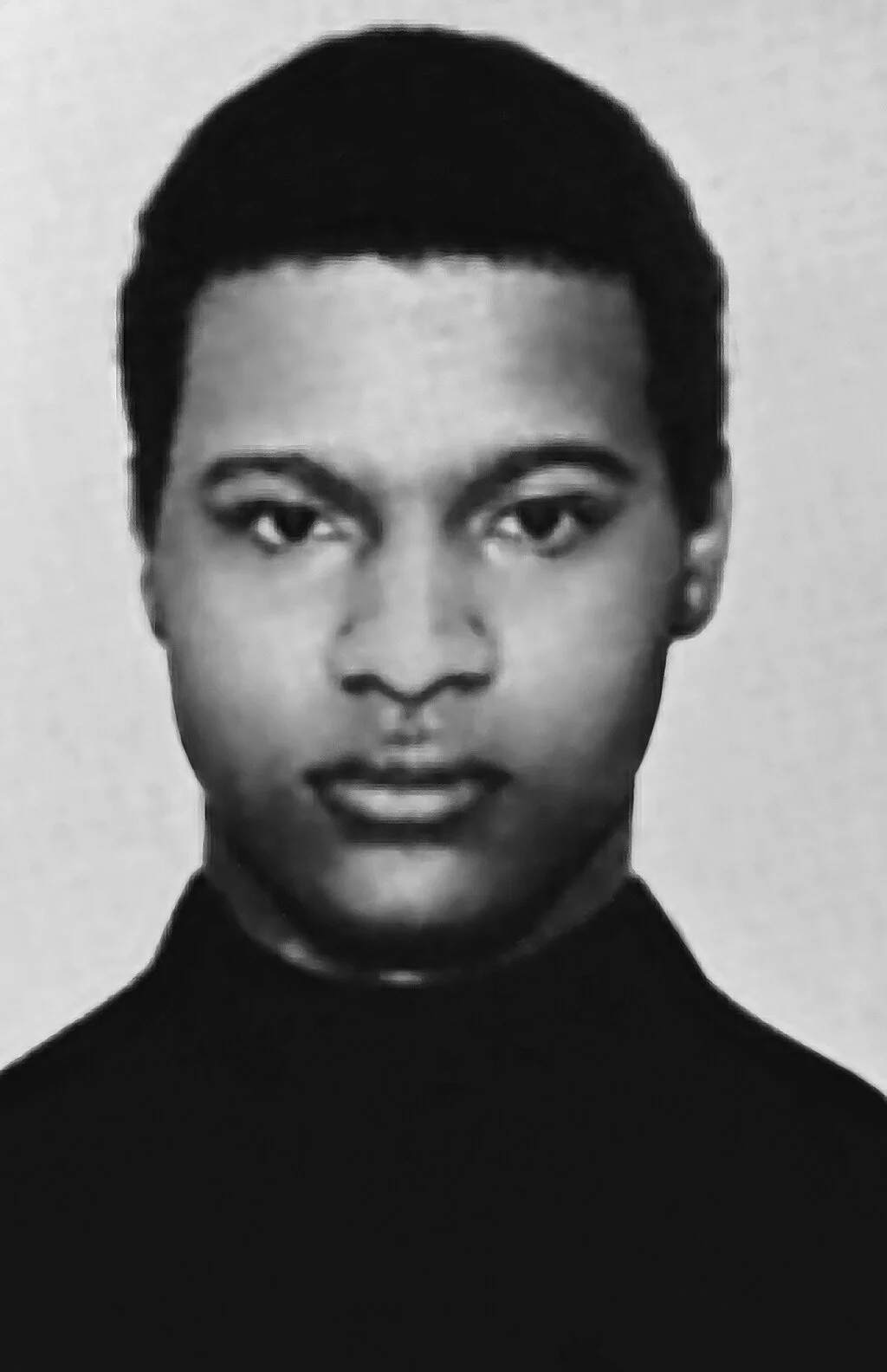
Mark Clark

Fred Hampton
On December 4, 1969, Black Panther Party leaders Fred Hampton and Mark Clark were killed in a pre-dawn raid by Chicago police, with the raid resulting in the deaths of Hampton and Clark, and the wounding of four other Panthers
Chicago Police Assassinate Black Panther Party Leaders Fred Hampton and Mark Clark in Pre-Dawn Raid
The sociology grad students called an emergency meeting shortly after the murders of Clark and Hampton. As the meeting was about to begin, Morris and I had a testy exchange. The students and faculty were sitting around the huge oval table on the second floor of ss. I was at one head , ready to be chair, which is what we students believed we had established. The room was packed. Morris finally walked in a bit late.
He immediately challenged my chairmanship. “Why should you chair this meeting Kornblum.”
“Because the students called the meeting and asked me to be the chair,” I said, “Otherwise we will all leave the meeting and you can discuss the issues yourselves.” Maybe I didn’t say this quite exactly, but it had the needed effect. Morris humphed a bit and sat at the other end of the table.
The meeting was sad and constructive rather than rancorous. Lots of people spoke, some vented, no one was attacked. As we were filling out of the room, Morris said to me, “I was only seeing how you would react.” That was Morris.
In May a maniac barged into Professor Richard Flacks’ office and wounded him severely.
Panel Told of F.B.I. Plot To Discredit a Professor
We watched in horror as Professor Flacks was rolled out of his office on a bloodstained stretcher. I recall the deep feelings of grief and exhaustion that swept the university community.
Somehow, when this longest and most trying academic year was over, we students held a warmly successful student- faculty dinner party at the Hyde Park home of Kay Wirtz, longtime secretary of the Department. Morris came, as did other faculty members.
We prepared and served what everyone who was there will remember as a surprisingly superior dinner: Chicago prime sirloin tip, roast spuds, salad, great wine and bread, and a croque en bouche for dessert.
I recall that not long after this gathering, Morris asked me to his home for dinner with Gale, and his daughters Rebecca and Naomi. I loved his family. I much more deeply loved Morris
Gerald Suttles
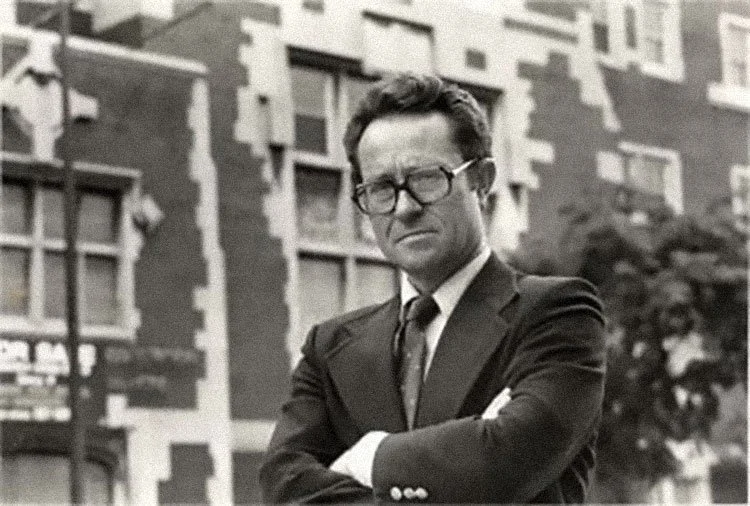
Former student David Grazian, Professor of Sociology at The University of Pennsylvania, recounts the profound impact Suttles had on those he mentored:
“Among his closest graduate students, Gerry was also an enormously generous teacher, hosting classes at his home and joining student-led reading groups in their apartments. With his devious wit and charmed ability to turn a colorful phrase, to his students he was the living embodiment of the Chicago School tradition of urban sociology. With a twinkle in his eye, he interwove the lessons of early 20th century social theory and research with his own ethnographic tale, drawing on a lifetime of memories. ”
We were extremely fortunate that he came to Chicago on our student watch.
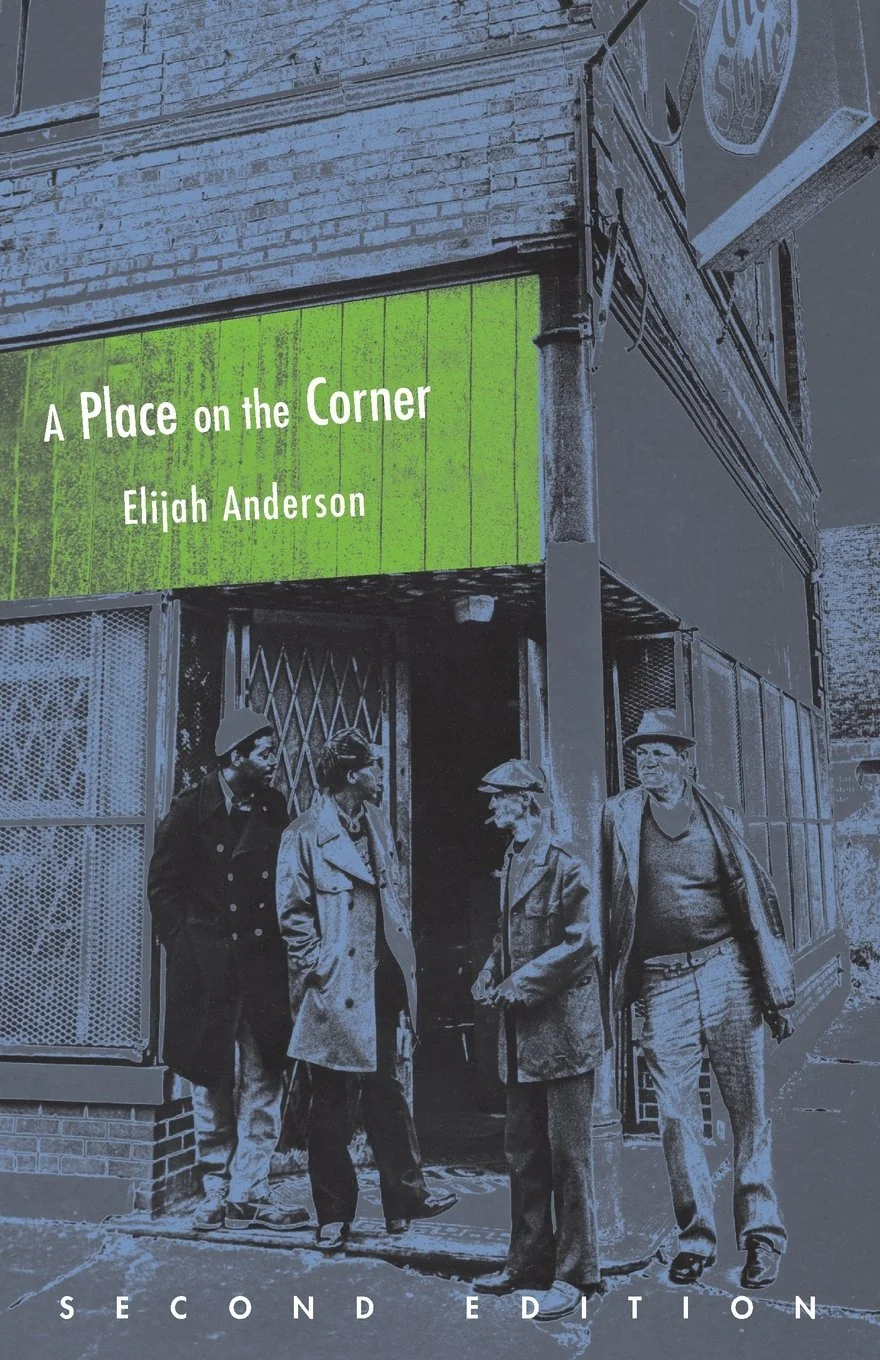
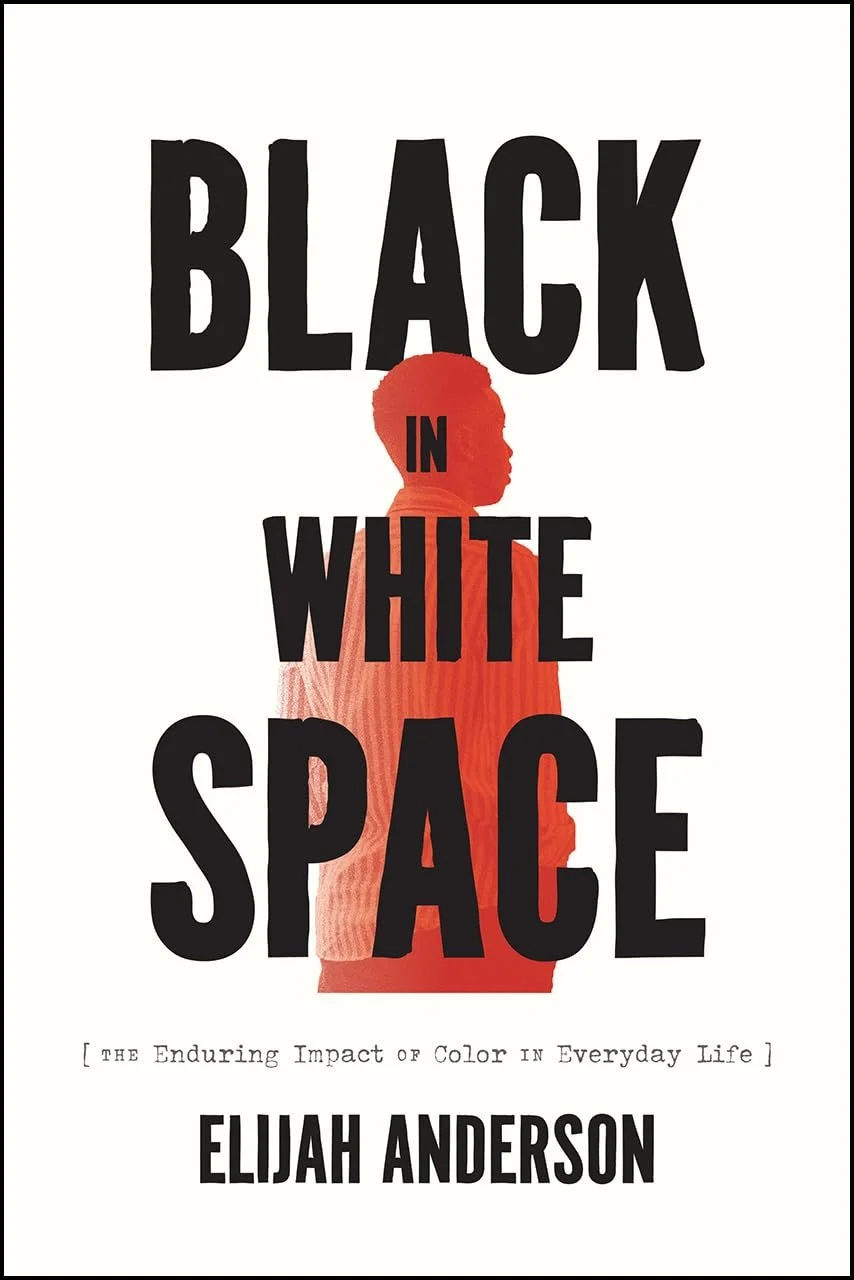
Eli Anderson – Holding the Ethnography front at Yale
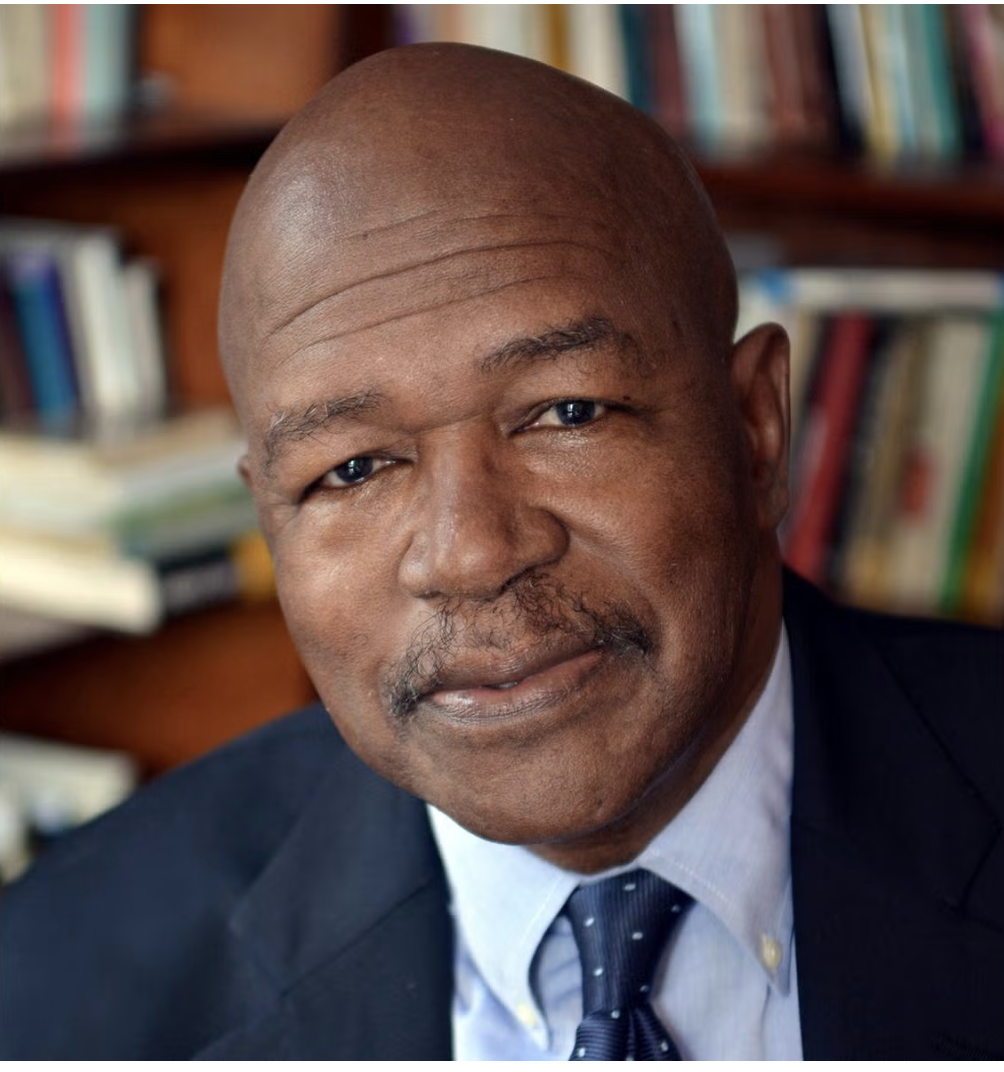
Harvey Molotch – Race and Chicago's South Shore and much more
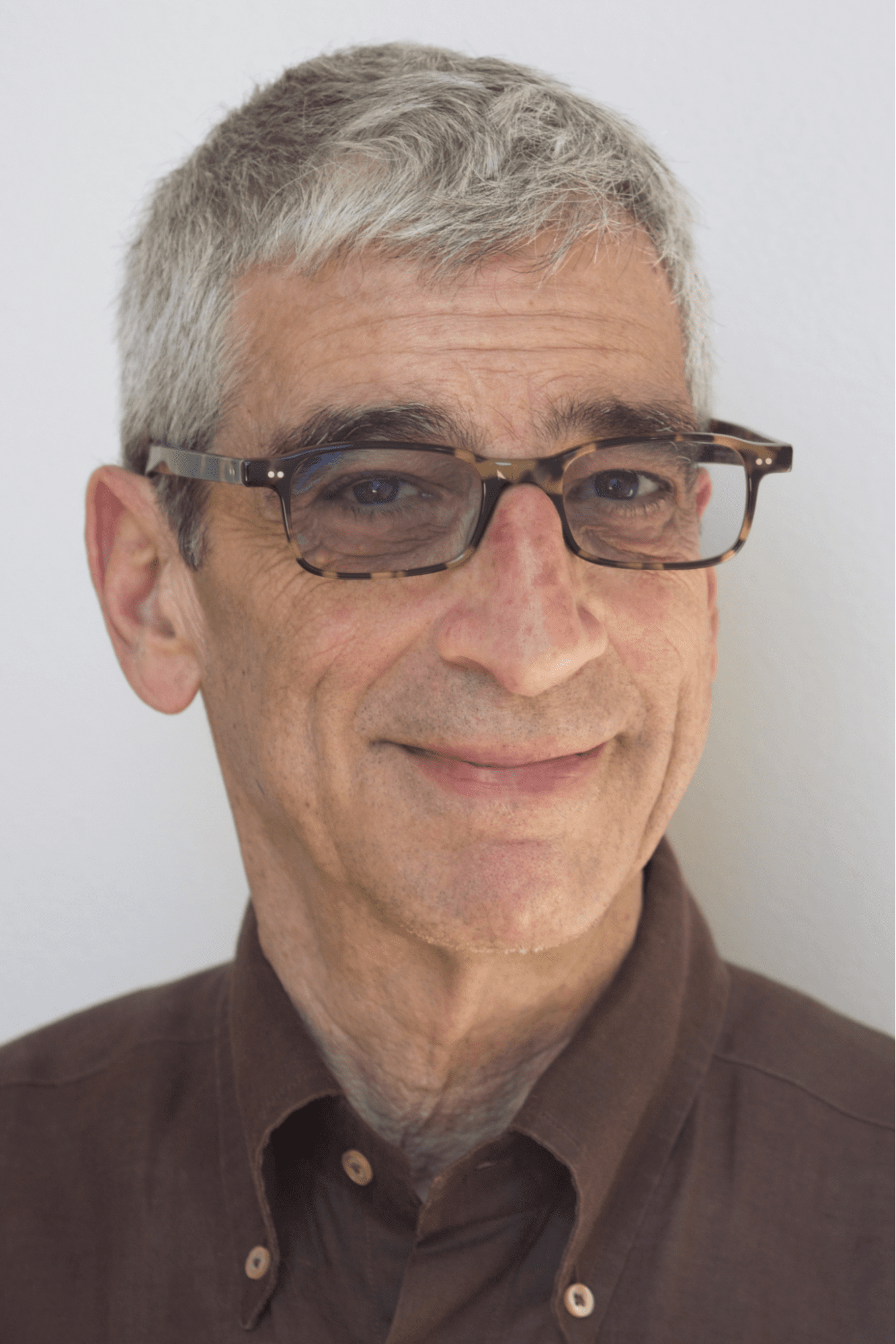

Sociologist Harvey Molotch has written about public restrooms in Toilet: Public Restrooms and the Politics of Sharing. In this [courageous and important book] Molotch and Laura Norén bring together essays from historians, urbanists, and cultural analysts. The book explores how the design of public restrooms reflects cultural attitudes. It is also a perfect example of applied human ecology.
See his classic environmental sociology study of Pollution on Santa Barbara beaches.
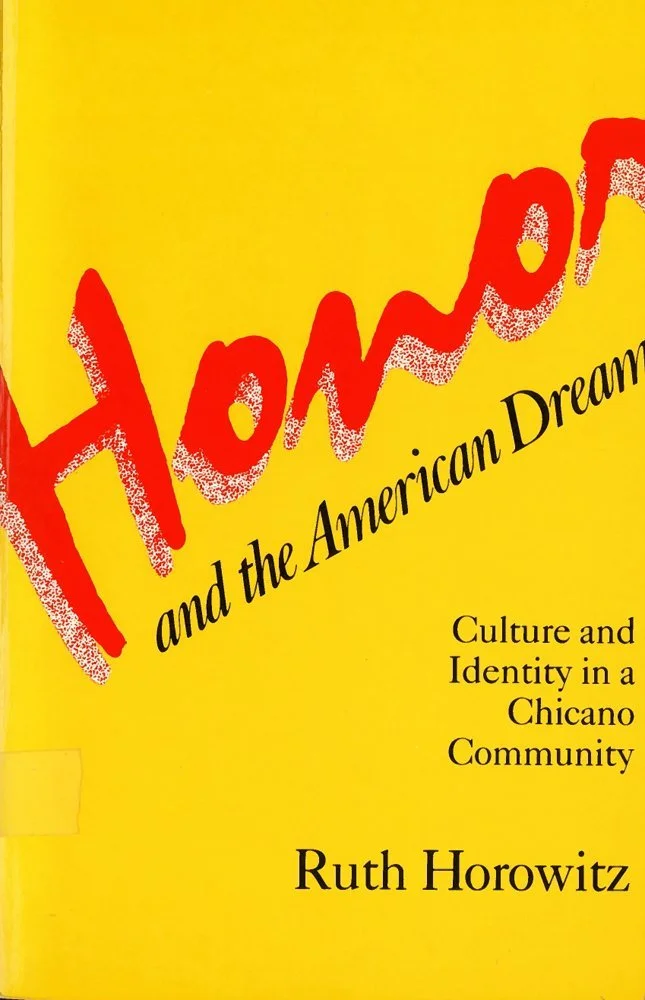
Ruth Horowitz
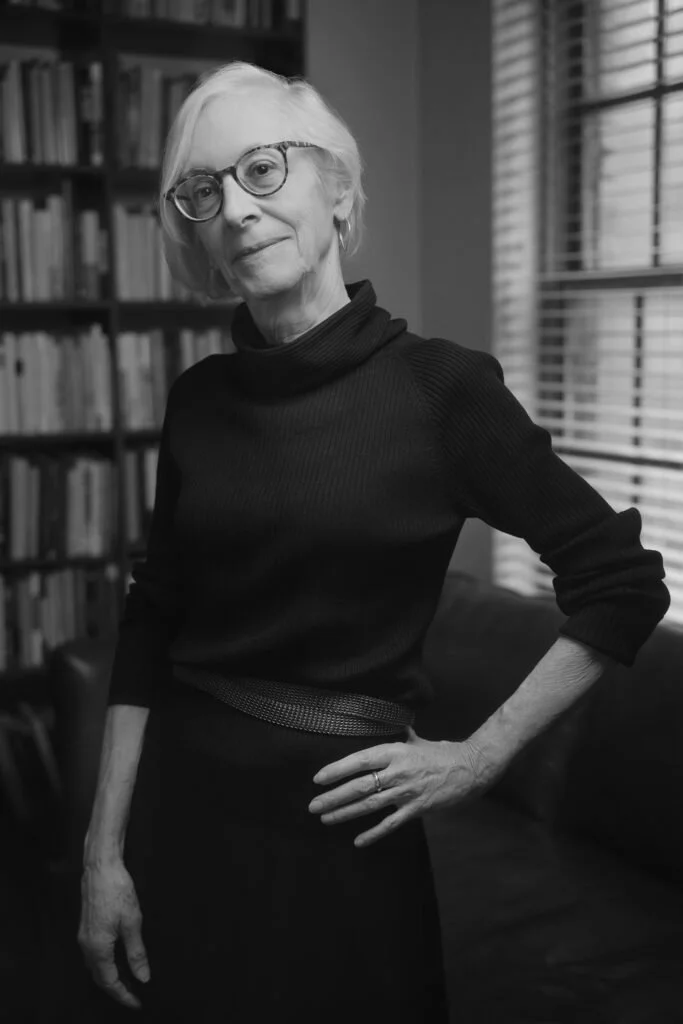
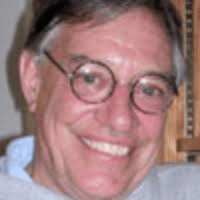
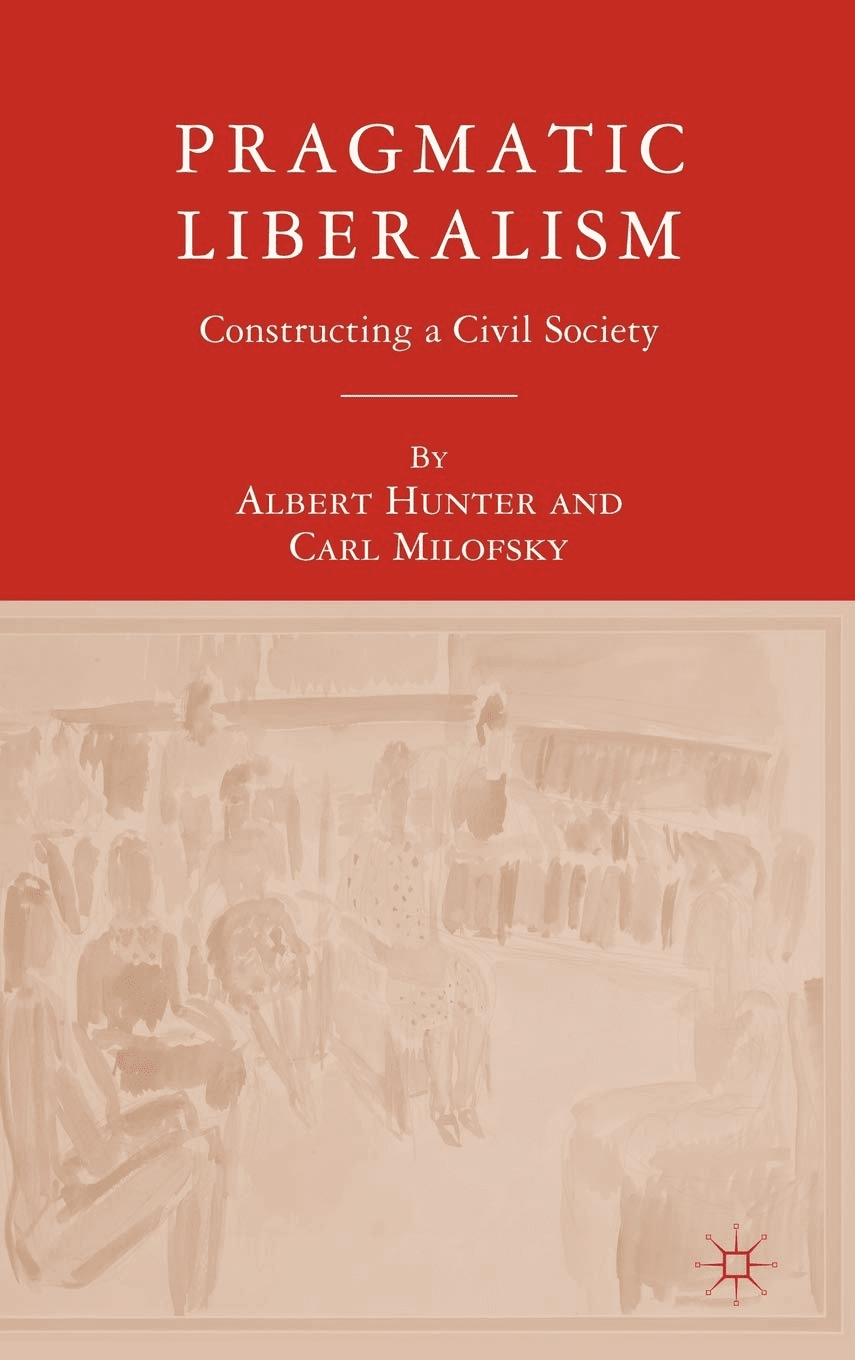
Albert Hunter
Galen Cranz
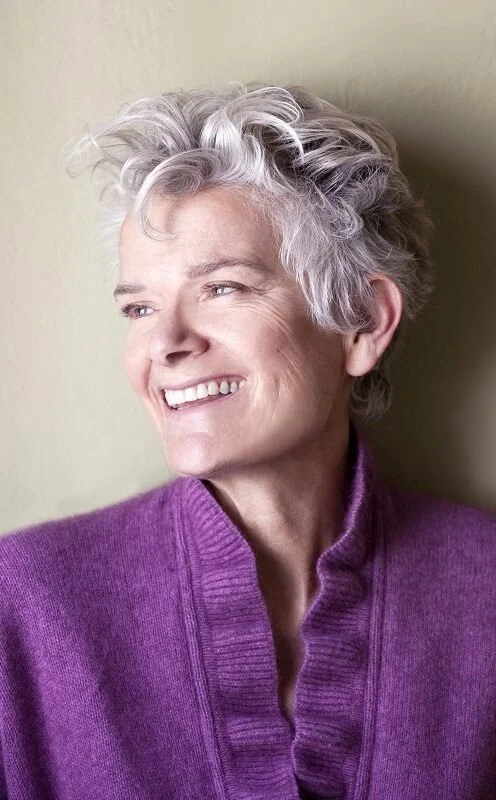
Barbara Heyns
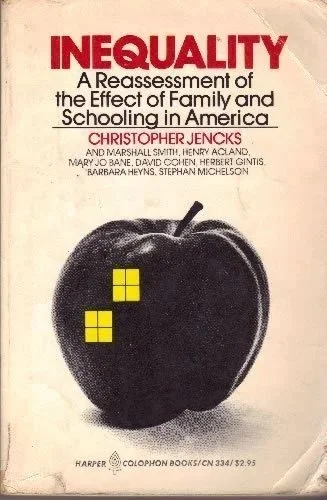
Inequality: A Reassessment of the Effects of Family and Schooling in America, with Christopher Jencks et. al. New York: Basic Books. 1972.
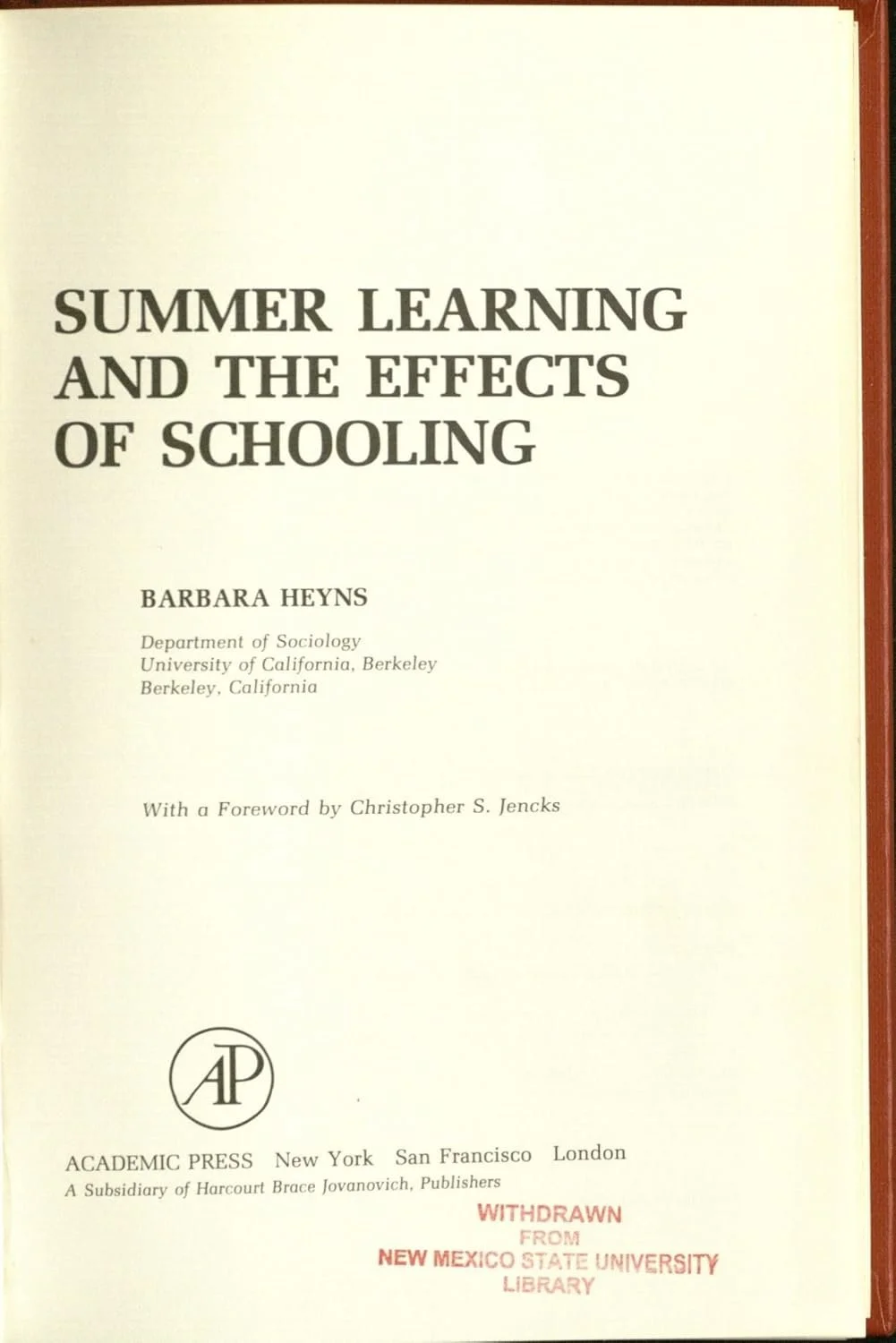
Summer Learning and the Effects of Schooling. New York: Academic Press. 1978.
Kirsten Gørnbjerg
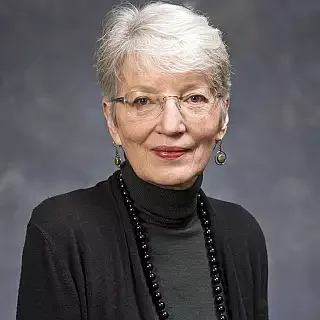
Dr. Kirsten Grønbjerg is a nationally recognized scholar on nonprofit and public sector relationships. She has been with O'Neill since 1997 and is also an adjunct professor in the Sociology Department. In addition, Grønbjerg has held the Efroymson Chair in Philanthropy at the Lilly Family School of Philanthropy (2001-2020) at Indiana University Indianapolis (IUI), where she is also professor of Philanthropic Studies.
Ronald Bayer, PhD
Professor Emeritus of Sociomedical Sciences, Special Lecturer in Sociomedical Sciences, Mailman School of Public Health, Columbia University
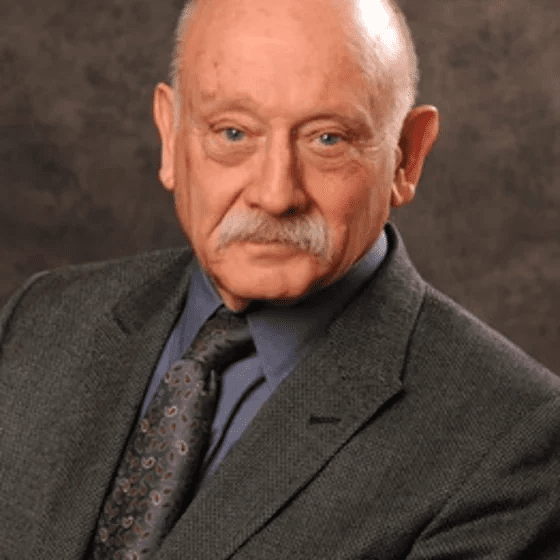
Dr. Bayer's research has examined ethical and policy issues in public health, with a special focus on AIDS, tuberculosis, illicit drugs, and tobacco. His broader goal is to develop an ethics of public health. He is the Co-Director of the Center for the History & Ethics of Public Health. He has also taken a leadership role in the HIV Center's work on ethics since the Center's beginnings and is now Co-Director of the Ethics, Policy, and Human Rights Core. Prior to coming to Columbia, he was at the Hastings Center, a research institute devoted to the study of ethical issues in medicine and the life science. He is an elected member of the Institute of Medicine (IOM) of the National Academy of Sciences. His published work includes articles in the leading journals in public health and medicine as well as a number of books including AIDS Doctors: Voices from the Epidemic (2000, written with Gerald Oppenheimer) and Mortal Secrets: Truth and Lies in the Age of AIDS (2003, written with Robert Klitzman).
We met as research assistants for Ari Zolberg in 1964.
Have lived through good and bad times.
Mitch Duneier – Chicago, California, Princeton and the world

Chair of the Princeton Sociology Department https://sociology.princeton.edu/people/mitchell-duneier
An essential urban sociologist and friend, a gifted and pioneering urban ethnographer, he watched and learned, and produced his own ethnographic classics.
Howard S. Becker
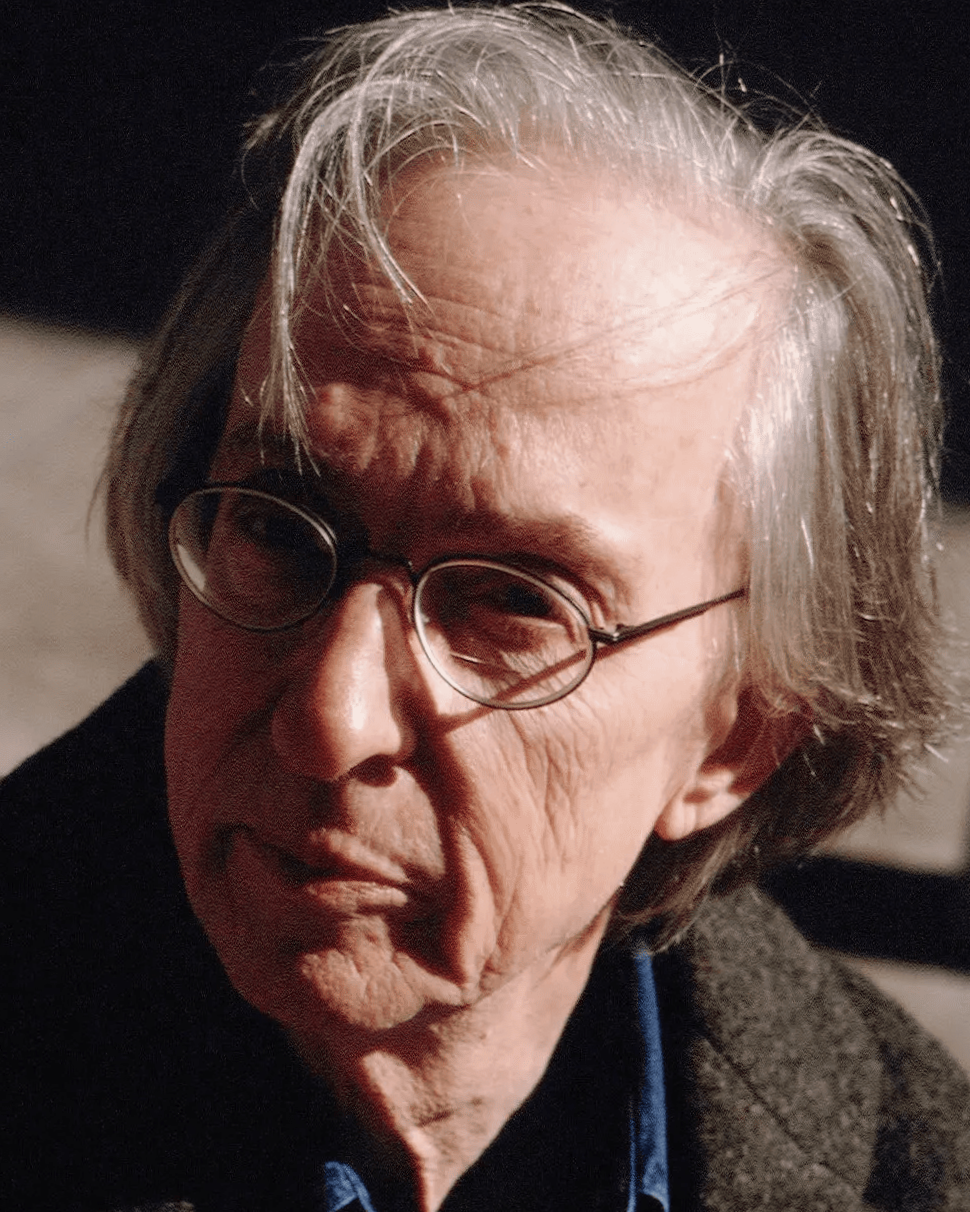
Howard S. Becker, Who Looked at Society With a Fresh Eye, Dies at 95
A sociologist, he challenged conventional thinking on matters as diverse as deviance, art making and marijuana use. He found a particular following in France.
We had Paris and Chicago Adventures.
Michael Hechter
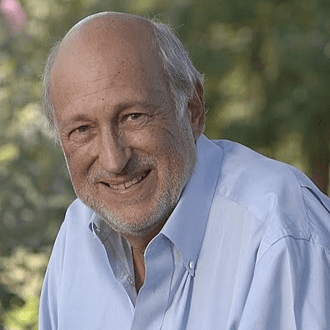
Wikipedia entry for Michael Hechter
Still shooting life’s rapids together, we met at the UW Seattle in 1973. He helped me figure out what my dissertation was about.
