Parisien Gypsies: La Courneuve 1968
Urban folkways of the Boyash
Photos by Yehuda Yaniv
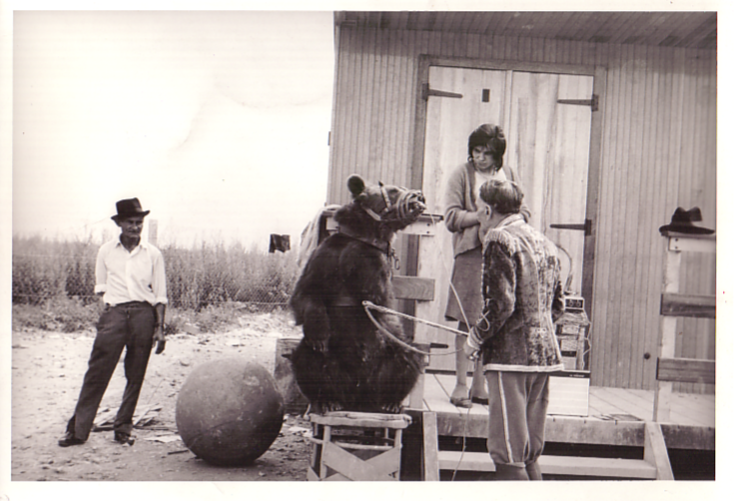
L to R: Cortez, Bear, Young Maria, Alexandre
Spring 1968: While Susan and I were settling into the Chicago mill neighborhood South Deering, I got a call from Yehuda Yaniv, a filmmaking colleague and friend in New York. Could I work with him on a film about gypsies in Europe?
Would I in fact go with him to the Balkans where there were still gypsies living in traditional mobile bands? There was a contract from McGraw Hill for a series of short educational films about key aspects of traditional gypsy life.
Susan was going to spend the summer studying for her psych prelims and was more or less ok with me taking off for a few weeks.
During my absence she hung out with the Mexican neighbors and became popular with the children and teenagers with whom she snuck into the outdoor pool at Trumbull Park after hours. They proudly called themselves the “Sneak Bunch.”
Yehuda and I and our assistant, Jim Ruxin, landed in Paris in August 1968 only to learn that the borders to Yugoslavia and most other Eastern European countries were closed. The Soviets had just invaded Czechoslovakia. The continent was in turmoil. We were “stuck” in Paris with no gypsies to film. We’d already rented a van and were living in hotel rooms. The budget clock was running.
On one of those first, rather anxious days in Paris we drove out to the Eclair facilities in Enghien les Bains, a chic northern suburb above La Courneuve, la Zone Militaire, and the “Red” zone more generally. Eclair had agreed to let us store our equipment there and would be our source of film and developed rushes, if we found our subjects.
On the return trip, while stopped at a light at la Courneuve, I spotted three gypsy women step out of a city bus. They were carrying bulging sacks over their shoulders, I watched them start walking toward what seemed to be a vast empty lot. Then I saw the outlines of a sprawling bidonville. Keeping a respectful distance, I followed the women into the camp.
I soon met Alexandre and Marie Ivanovich and their extended family. It’s a longer story, but they happily rented us a roulotte, a traditional gypsy covered wagon, for over a month at a reasonable price, and agreed to let us film their daily lives.
L'association « Aide à Toute Détresse » (devenue Wikipédia ATD Quart Monde) a été fondée en 1957 par le père Joseph Wresinski à Noisy-le-Grand. Dès 1961, le mouvement s'est étendu au bidonville de La Campa à La Courneuve pour y soutenir les familles vivant dans la grande précarité.
Various articles including “Urban Gypsies and the Culture of Poverty”:
The Boyash thrived in earlier European centuries as animal trainers and traders. The Ivanovich family had a menagerie of animals, wild and domestic, living with them in crates. The bags I had seen the women carrying from the bus that first day were filled with stale bread they had collected from cafes and restaurants and brought daily to the camp to feed the animals. How’s that for an ecological relationship?
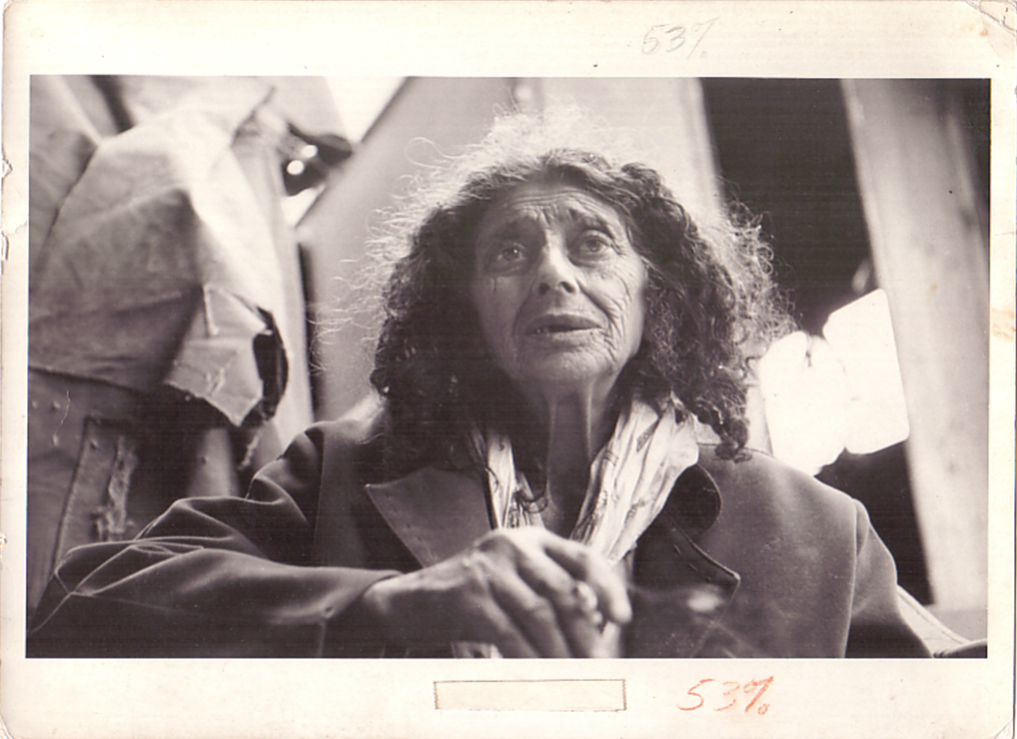
Madame Marie Ivanovich, Matriarch, An extended family band of 70+ Boyash Gypsies and unrelated members
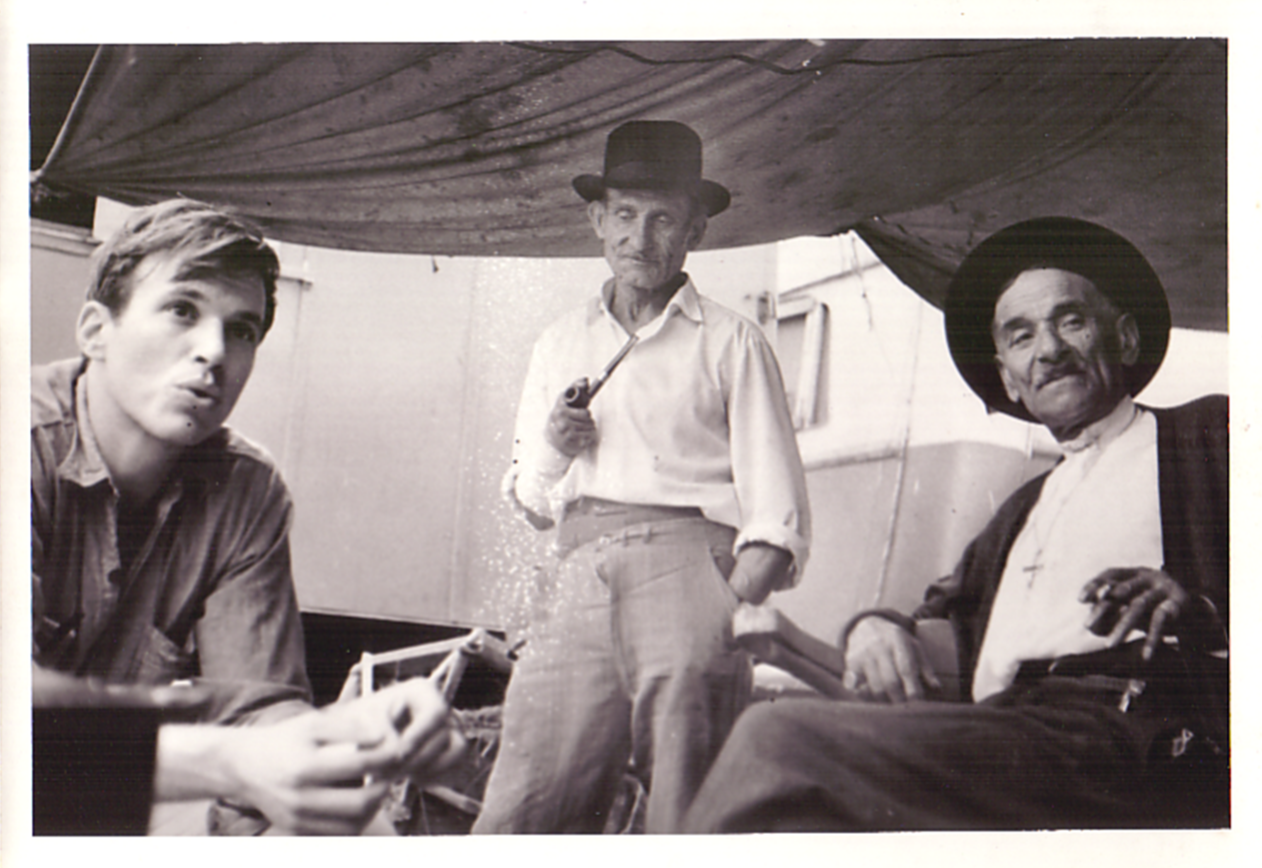
Kornblum, Cortez, A. Ivanovich, La Courneuve,1968
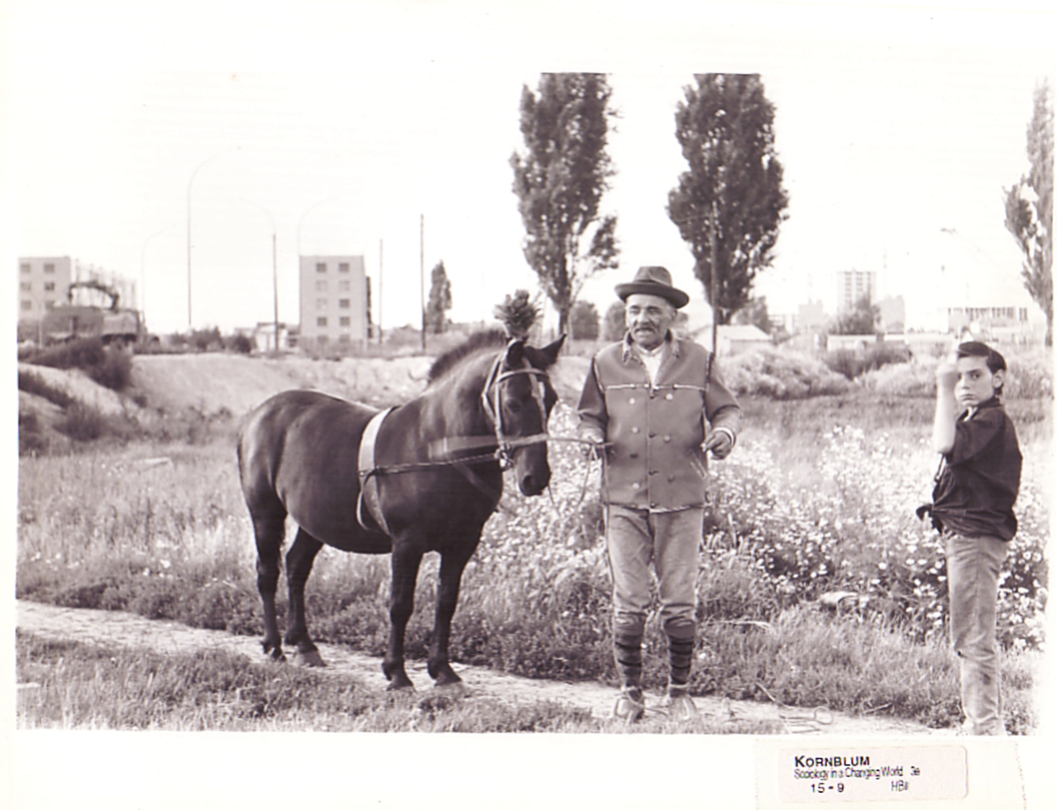
Some of the animals they trained, like this pony, or the bear, might be sold to small circuses. M. Alexandre Ivanovich, Grandson Babosh, Zone Militaire, Paris, 1968.
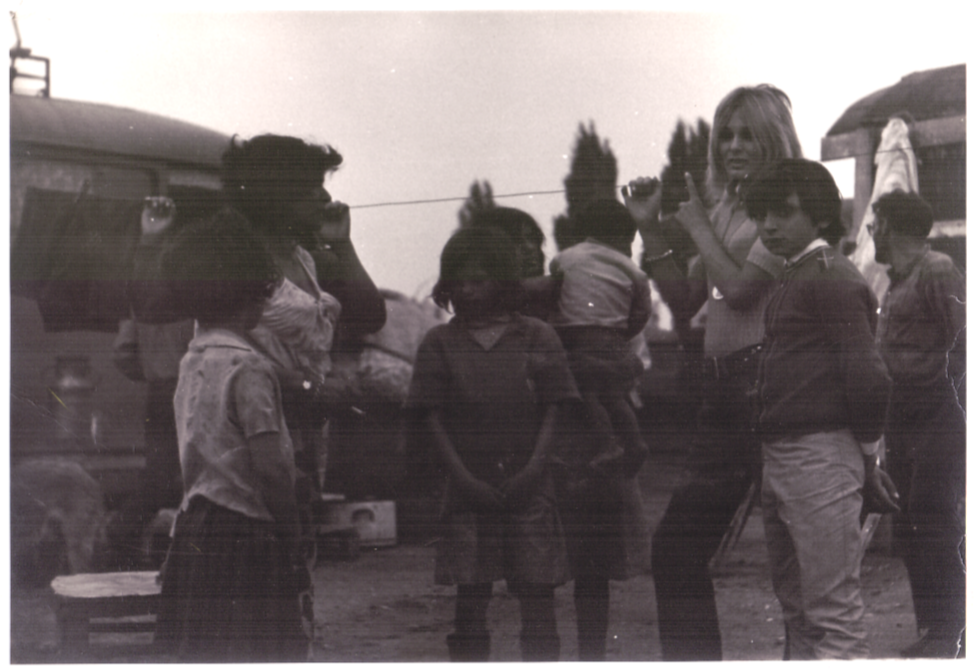
If only there had been more light. This is Cortez’ and Madame Persa’s brood caught in a confab. Persa up on the left, smoking a cig. Her bleach blond older daughter up on the right. Babosh, looking into the camera, as usual. In the right background is Jean, the family’s willing servant.
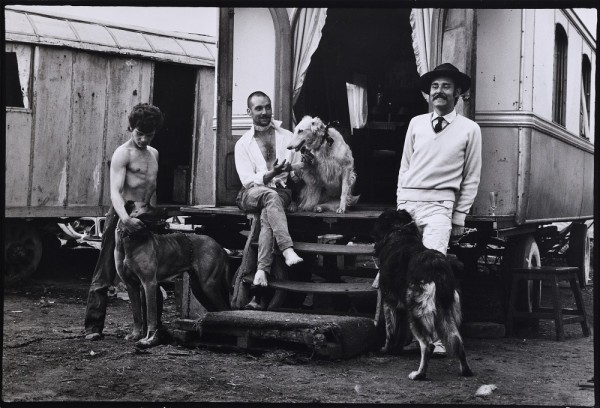
La Courneuve, bidonville, novembre 1965 photo of typical van-with-shack addition.
Millon to Auction Photographer Claude Dityvon's Body of Work on May 15 in Paris
Claude Dityvon's photographic icons from May 1968 are recognized by a very wide public. This photo shows, R to L, Alexander, his oldest son, Joseph, and Loulou, Joseph’s partner, plus various dogs. I only discovered this work in 2024.
