The Bright Lights: West 42nd Street, 1979
Study commissioned by Ford Foundation, V.P.Roger Kennedy, 1979
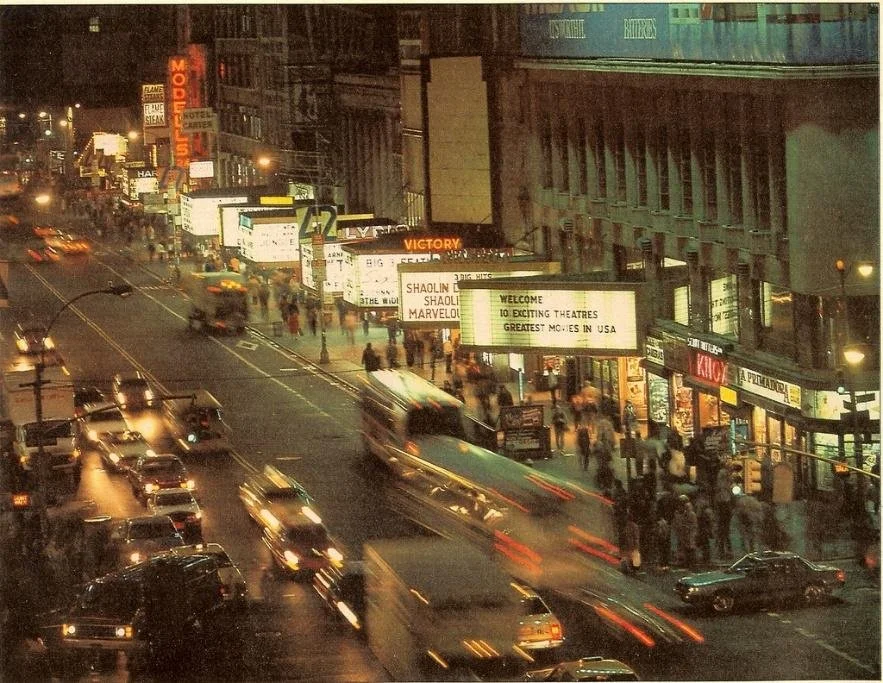
West 42nd Movie Theaters in the 1960s
Our report to the Ford Foundation, West 42nd Street: The Bright Light Zone, was a study that documented the social ecology, history, and various aspects of the 42nd Street area in New York City, particularly its role as a vibrant entertainment district.
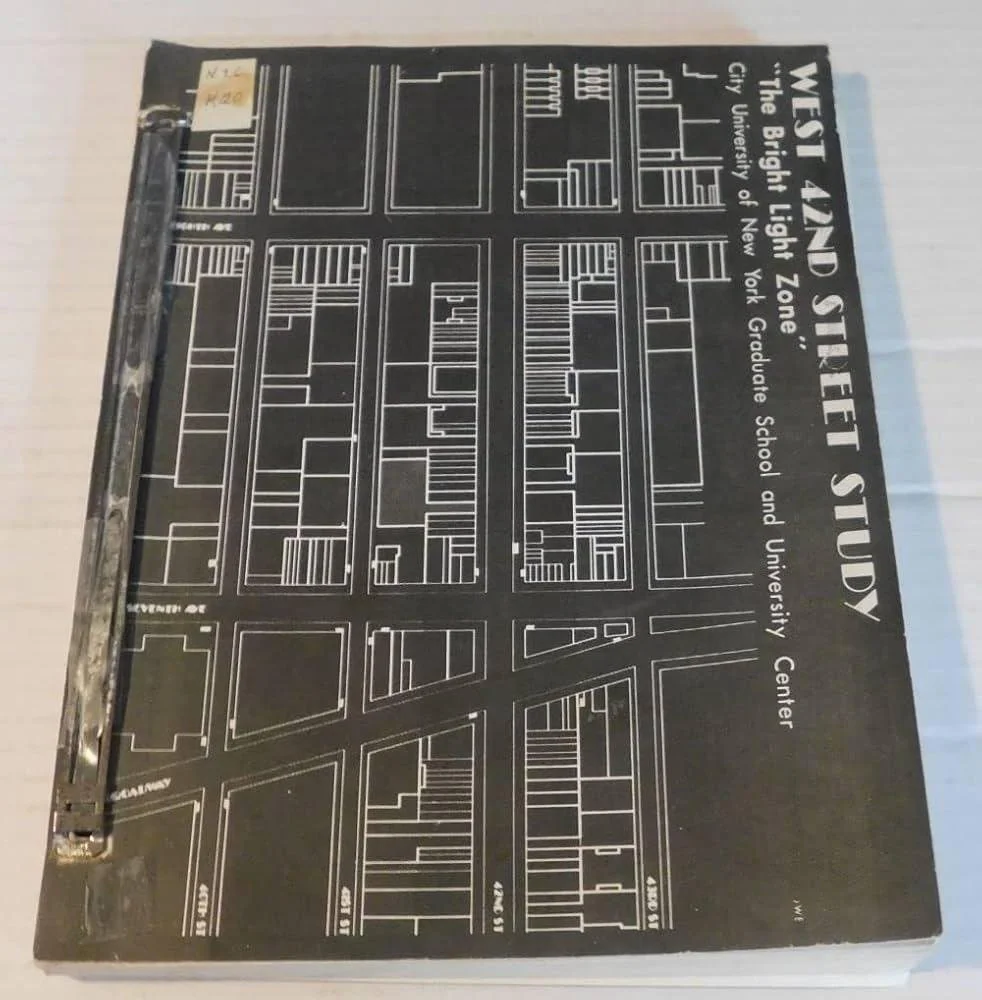
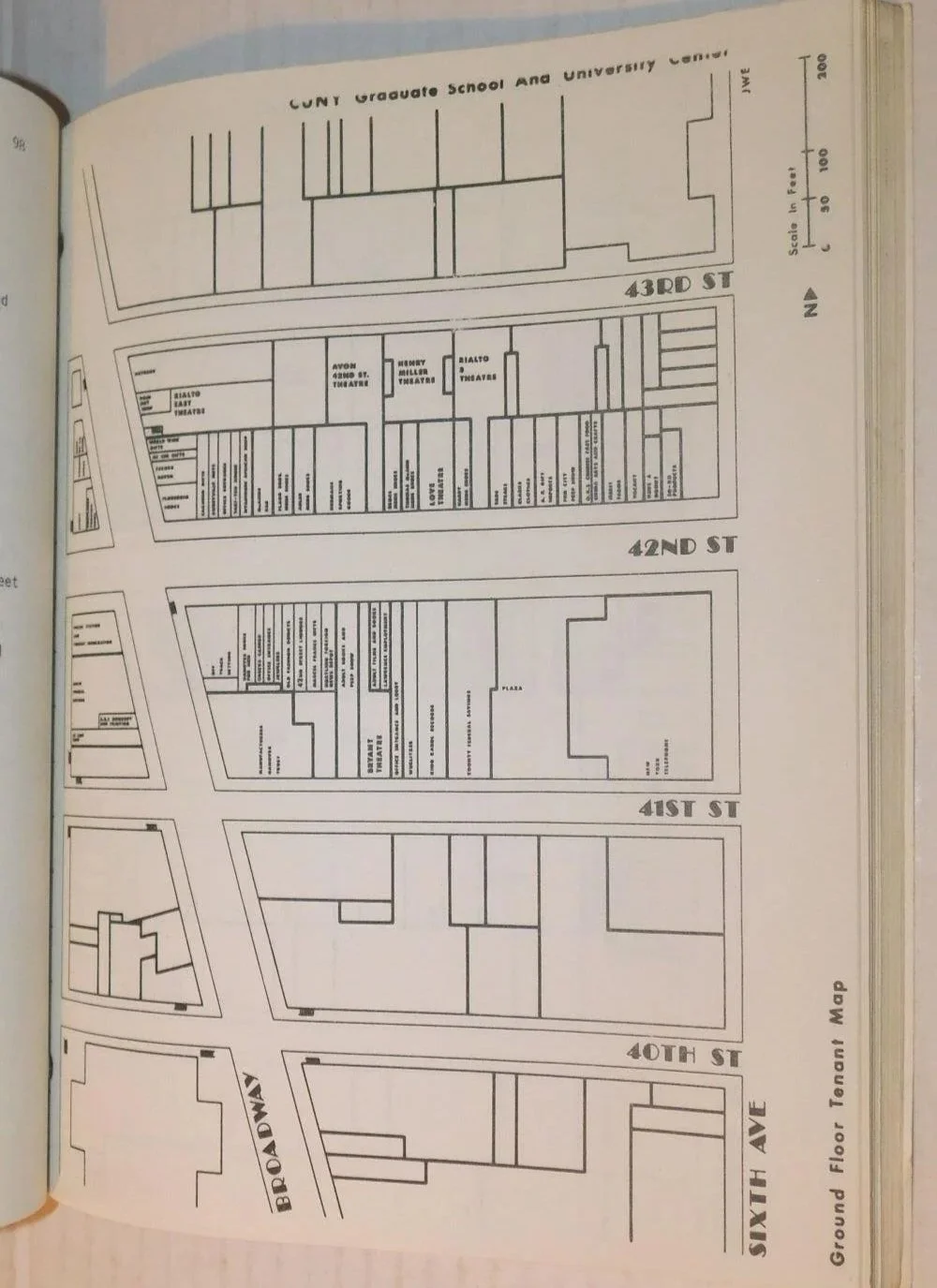
The study, which I conceived and directed, became a guide to understanding the street life of Lower Times Square in the 1970s. It included contributions from a variety of local scholars and experts.
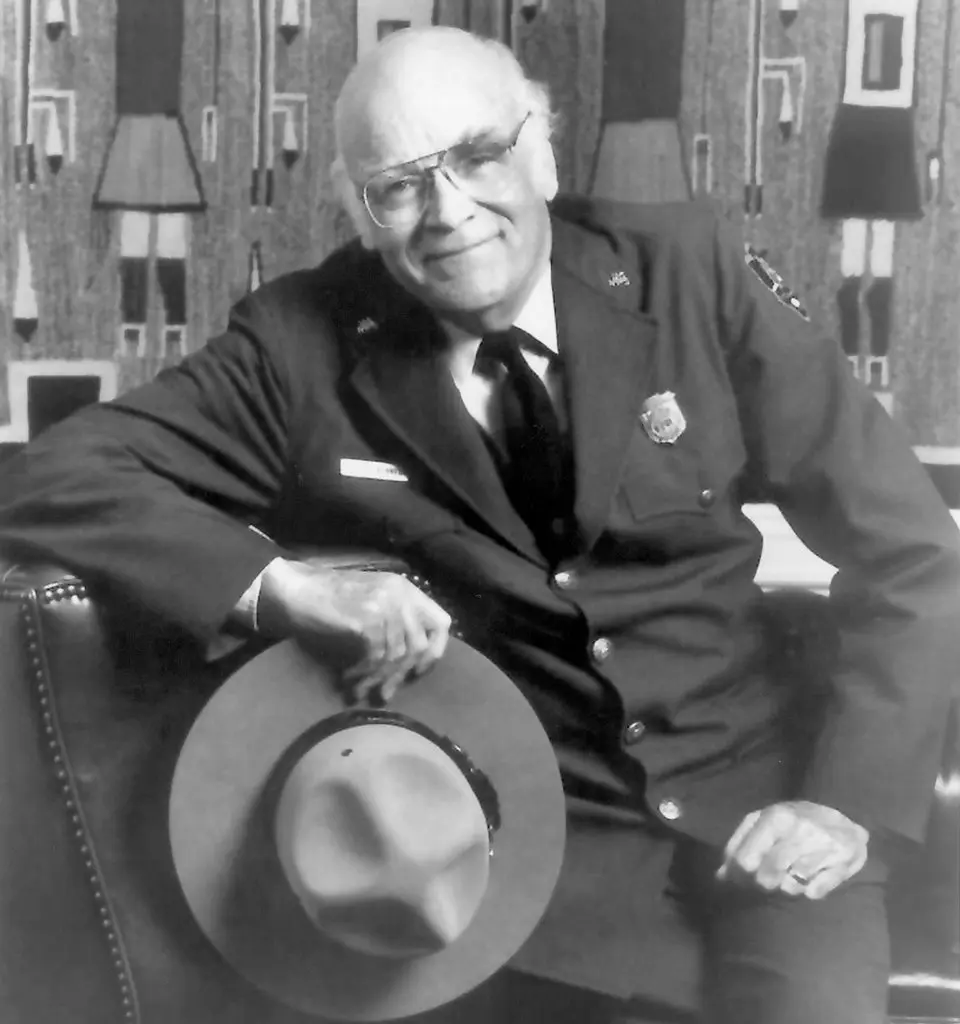
Roger Kennedy
In 1969, Mr. Kennedy joined the Ford Foundation as a vice president, first in finance, then in the arts. He helped transform the organization from a family foundation dependent on Ford Motor Company stock into a more diverse and modern professional foundation.
Roger Kennedy funded our study of “the Deuce” in 1979.
Roger Kennedy, Who Was Parks Chief Under Clinton, Dies at 85
West 42, The Bright Lights, featured in New York Magazine, story by Dinitia Smith, 1979
First page of The Sciences article, about West 42nd Street, 1985
Urban ecology perspective: This study was often cited as an example of urban ecological research, examining how the built environment (in this case, the bright lights theater district) can shape social behavior and interactions within a specific urban space.
Award in Applied Research, Progressive Architecture, 1978, for West 42nd Street: The Bright Lights
1991 radio/video interview:
The 90’s raw: Prof. William Kornblum on Times Square
Raw footage for The 90's. Interview with urbanologist Prof. William Kornblum of City University about the history, and 1990s revitalization, of New York's Times Square.
Case Study: 42nd Street Development Project in NYC (New York, NY)
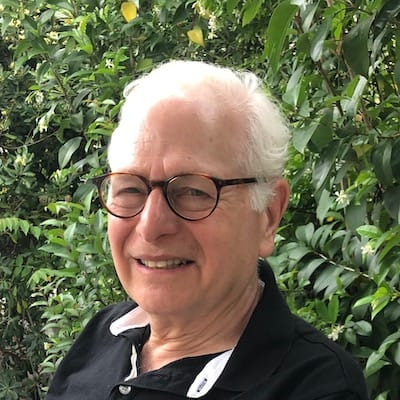
Martin Gottlieb, who wrote about our study, and West 42nd Street, more broadly in the New York Times
https://nytedu.com/faculty/martin-gottlieb/
IN TIMES SQUARE, NEW WORLD TO TAKE ON NETHER WORLD - The New York Times
Carrying out the $1.6 billion rebuilding plan for Times Square will mean restructuring what Dr. William Kornblum and Dr. Vernon Boggs of the City University have characterized in a report to the state's Urban Development Corporation as ''an urban ecosystem of unparalleled complexity.'' Each day on the block, thousands of commuters, moviegoers, sex shop aficionados and tourists come and go.
Research Team on “The Deuce”
Terry Willams
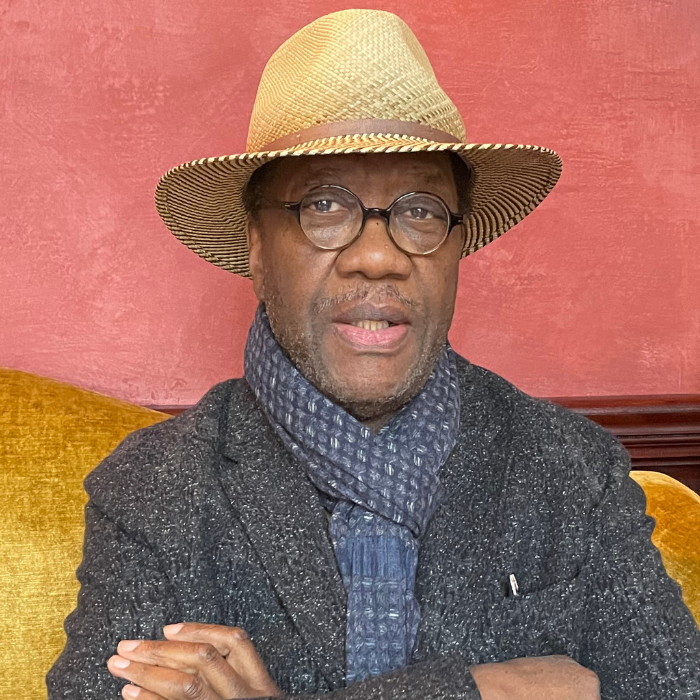
Vernon Boggs
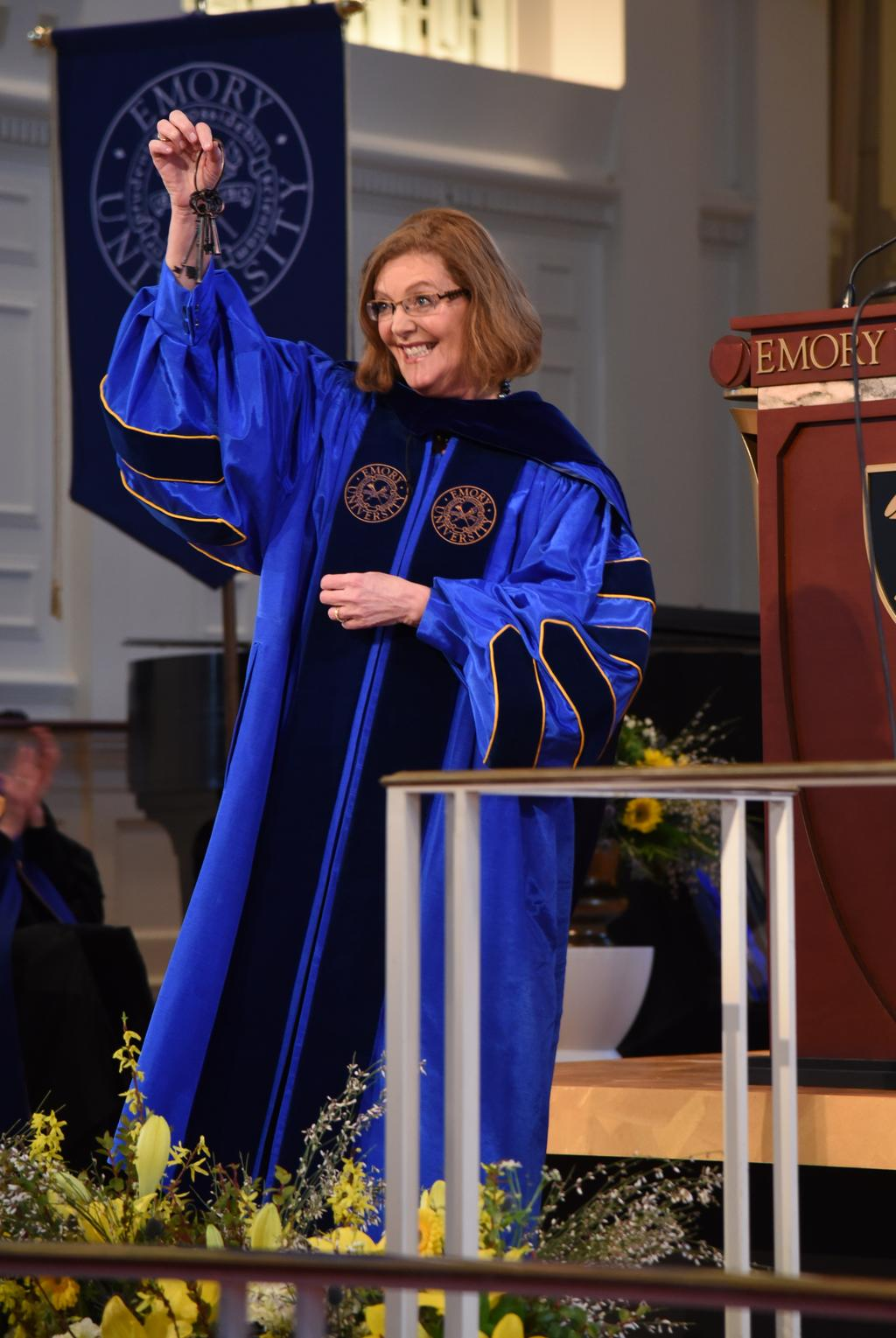
“As I assessed where the university stands and what I want from my life at this point, I concluded that now is the right time to begin the transition," Claire Sterk said in a news release.
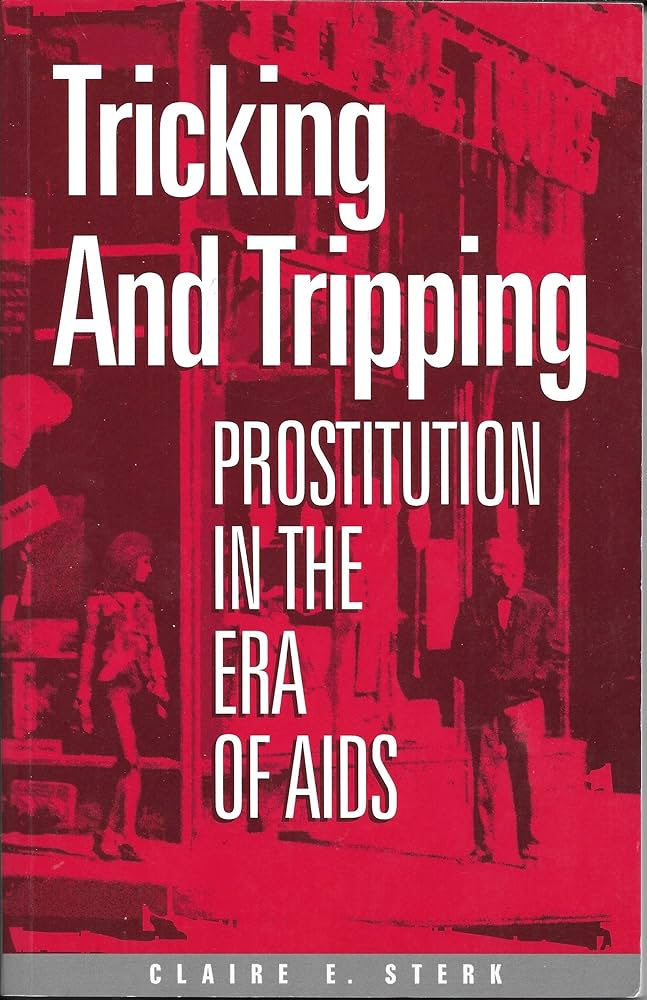
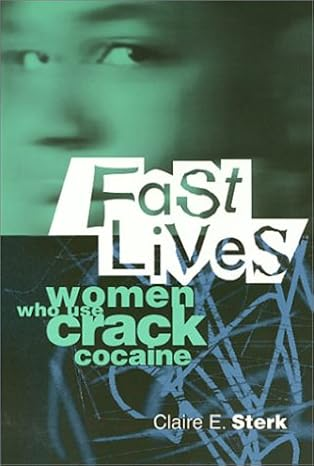
Clair’s research in the Times Square area was among the first to demonstrate the connection between AIDs and prostitution. Later, at Emory University, she became a celebrated university administrator and President.
Seminar Presentation:Yale University: Elijah Anderson’s Workshop in Urban Ethnography : The Ethnographic Interpretation of Urban Life and Culture 2012
https://uep.yale.edu/sites/default/files/files/pdfs/Workshop-Fall2013/Kornblum.pdf
William Kornblum
Professor of Sociology and Environmental
Psychology, Graduate Center at the City
University of New York
Longitudinal Ethnography: Forty Years of Observation in Midtown Manhattan
“Beginning in the 1970s, Kornblum and colleagues, including Terry Williams, Vernon Boggs, Claire Sterk, Bob McNamara, and others have conducted ethnographic research in Times Square, Bryant Park, Central Park, and the neighborhood surrounding Grand Central Station. This research has involved active participation with numerous organizations and with Midtown actors who have been centrally involved with creating new forms of politics and management and “restored” urban landscapes. For about twenty of those years, for example, Kornblum has been the Board Chair of the city’s largest homeless drop-in service center, has conducted major surveys of Central Park visitors , and has served as an advisor to numerous political and business leaders in the Midtown area. This talk offers the opportunity to reflect on lessons for urban sociology from such a longitudinal and ethnographic view of a great urban CBD.”
One of the books I never wrote, but the research had legs: The original report to Ford is an underground classic, and still cited. Everyone involved learned and benefited a great deal.
